Best Sunscreen For Vitiligo: Protect Your Skin Today
Contents
Those with vitiligo need to be extremely careful in the sun, but the right dedicated sunscreens and clothing let you enjoy time outdoors while lowering the risk of sunburn.
If you have vitiligo, you’re not alone! An estimated 1% of the world’s population are in the same boat.
You may have thought your days of spending time outdoors were over. This simply isn’t the case; you can live a normal life with the right protection.
Instead of giving up those enjoyable outdoor activities, follow my comprehensive guide where I show you the best sunscreen for vitiligo.
After you’ve found the products that you need, you’ll be ready to head out into the sunshine yet again.
What Is Vitiligo?
Vitiligo is a long-lasting autoimmune disorder, according to NIAMS.
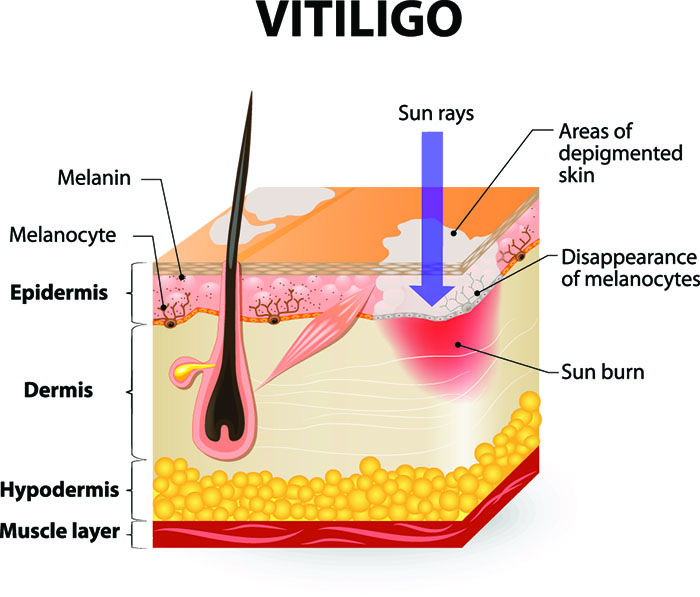
This means that your immune system mistakenly attacks healthy parts of the body. In vitiligo, it destroys the melanocytes, the cells that make skin pigment.
You might notice white patches on your skin, often on both sides of the body. They commonly appear on the hands, feet, arms and face, and can also affect the lips.
How Does The Sun Affect Vitiligo?
If you suffer from vitiligo, you’re going to be more susceptible to sunburn. In normal skin, melanin will turn the skin brown in reaction to the sun and prevent sunburn.
Considering melanin is missing in vitiligo skin patches, there’s no natural protection.
It’s critical that you have the very best in outdoor clothing and sunscreen before you head outdoors. The American Academy of Dermatology recommends a broad spectrum, water-resistant sunscreen with SPF 30 or higher. Avoid tanning, too: it makes the patches more noticeable, and tanning beds can burn skin and worsen vitiligo.
Best Sunscreen For Vitiligo
When dealing with vitiligo, you don’t have the luxury of trying out different brands to see if they work. One mistake could lead to painful sunburn.
I’ve found a strong sunscreen for vitiligo to help keep you protected.
Neutrogena Ultra Sheer Dry-Touch Sunscreen, Broad Spectrum Spf 100
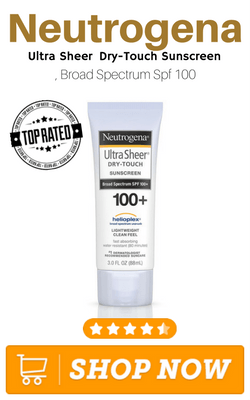
This bottle of sunscreen lotion contains SPF 100. No sunscreen blocks 100% of UV rays, so you still need shade, clothing and reapplication.
It uses Neutrogena’s Helioplex broad spectrum UVA/UVB protection.
The dry-touch technology offers an ultra-light and shine-free finish.
This formula is also water resistant up to 80 minutes and is non-comedogenic meaning it won’t clog your pores.
The oil-free and PABA-free sunscreen provides protection that’s non-whitening and lightweight.
When you’re ready to use this sunscreen, simply apply generously over the entire body, paying special attention to lightened areas of the skin. It’s best to apply your sunscreen 15 minutes before you plan on being outside.
Reapply at least every two hours, and after 80 minutes of swimming or sweating.
Pros
- SPF 100
- Broad Spectrum Protection
- Lightweight
- Water resistant up to 80 minutes
Tips & Tricks For Dealing With Vitiligo
Aside from picking a quality sunscreen to wear, there are other ways to protect your precious skin in the sun.
Follow these simple tips to maximize the likelihood that your skin won’t get burned.
- Wear clothing over the skin whenever possible. It’s always best to choose lightweight clothing made of cotton. Wearing lighter colors will also keep you from becoming too warm when in hot and humid climates.
- Wear a sunhat. Cover your head and face by using a wide-brimmed sunhat. In addition, you could protect the skin around the eyes with a pair of sunglasses that offer UV protection.
- Avoid the sun during peak hours. It’s best to stay out of the sun from late morning to mid-afternoon, when UV rays are strongest.
- Enjoy some shade time. Pack a beach umbrella or find some other form of shade to take a break under it whenever possible. Sunscreen is a great protection, but the sun is still capable of penetrating the skin and causing problems. Even in the shade, however, the sun can reflect off surrounding water and still reach your skin. Be aware of that if you’re spending time near water.
Conclusion
Now you’ve found the best sunscreen for vitiligo, you’re ready to enjoy some great outdoor activities with friends and family.
If you’re careful to take precautions when venturing out, you’ll greatly lower your chances of painful sunburn and skin damage. A dermatologist can also talk with you about vitiligo treatment options.
Sources
- Vitiligo, NIAMS (NIH)
- Vitiligo: Self-care, American Academy of Dermatology
- Sunscreen FAQs, American Academy of Dermatology