Top 5 Review: Guide to Derma Roller Numbing Cream
Contents
- The Top Five Derma Roller Numbing Creams
- 1. Aspercreme
- 2. UberNumb
- 3. Willow Balm
- 4. Numb 100
- 5. LMX4 Topical Anesthetic Cream
- How To Use Numbing Cream
- Safety Considerations
- Do You Need To Use A Numbing Cream?
- What Else Can You Use a Numbing Cream For?
- Are There Any Natural Skin Numbing Alternatives?
- In Conclusion
- Sources
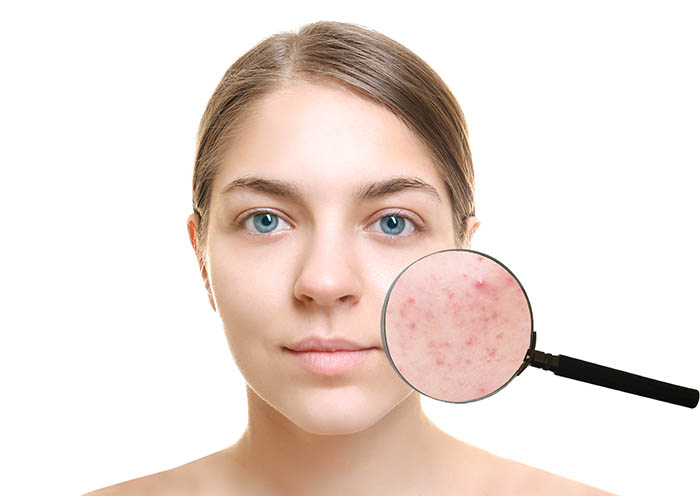
Do you have acne scarred or aging skin?
Do you long for soft, supple skin to make you feel young again?
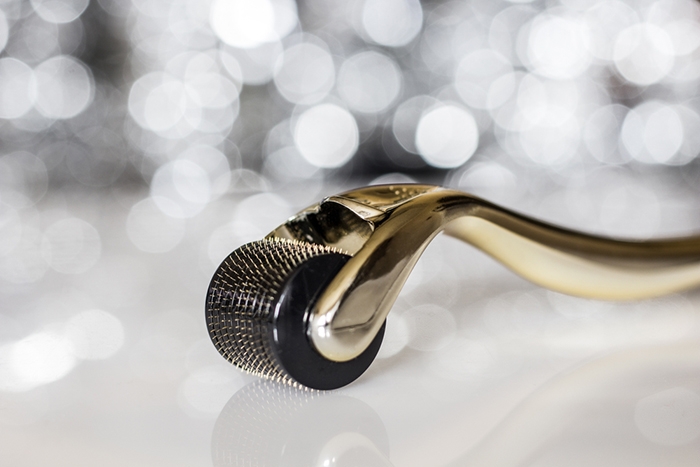
Using a derma roller is an easy way to help you achieve this in the comfort of your own home, without a huge price tag.
Whilst it isn’t incredibly painful, using a derma roller can sometimes cause mild discomfort. It is, after all, multiple tiny needles puncturing your skin.
Whilst it’s an amazing way to make a huge difference to your skin, it’s never going to feel like a massage.
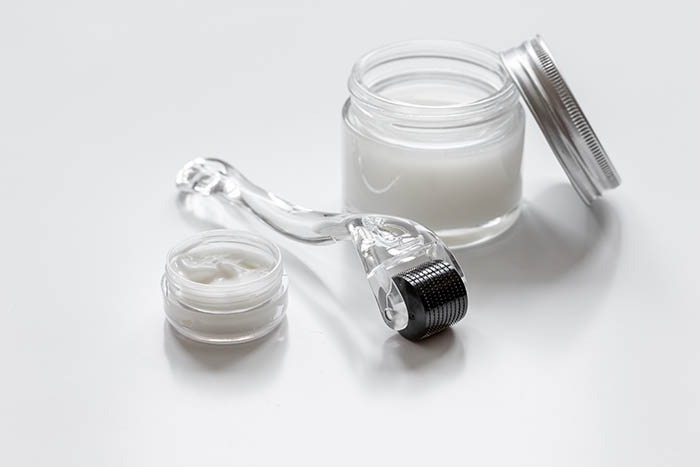
To make your experience a little more comfortable, and therefore make you a little keener to do it more often, I suggest using a derma roller numbing cream to help take the edge off the minor sting.
There are many types of numbing creams available on the market today, many of which cater for a wide variety of procedures such as tattoos and waxing.
I’ve found five numbing creams people use before derma rolling. Before you pick one, know that the FDA advises against OTC numbing products with more than 4% lidocaine.
The Top Five Derma Roller Numbing Creams
1. Aspercreme
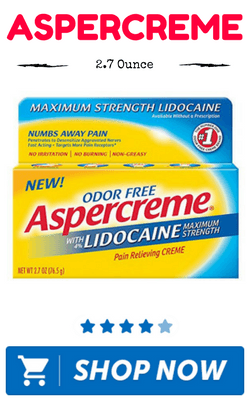
Aspercreme’s lidocaine cream contains 4% lidocaine, the most the FDA advises for over-the-counter products. It’s labeled for minor aches and pains, so ask a dermatologist before using it for derma rolling.
It’s a topical anesthetic, therefore it numbs your receptors to pain shortly after application.
This is fantastic when using a derma roller.
Apply a thin layer only to the area you’ll treat, following the label, and wait for the numbing to take effect before rolling.
Stinging should be reduced, which makes the process more comfortable.
2. UberNumb
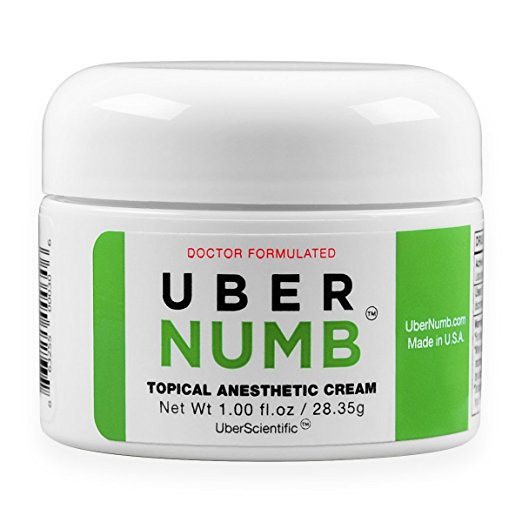
Another great topical anesthetic ointment is UberNumb.
It contains 5% lidocaine. That’s above the 4% limit the FDA advises for over-the-counter lidocaine products on the skin, so talk with a doctor before using it.
Stronger isn’t better here. Too much lidocaine absorbed through the skin can cause serious side effects.
3. Willow Balm
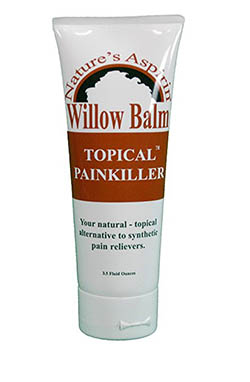
For a more natural numbing cream, look no further than Willow Balm.
Made from White Willow Bark and Helichrysum, the blend is marketed as a natural way to ease discomfort before derma rolling.
The maker says it’s free from parabens and dyes and hasn’t been tested on animals.
There’s little evidence that natural balms numb skin as well as lidocaine, so it may not prevent pain as well as the other creams.
4. Numb 100
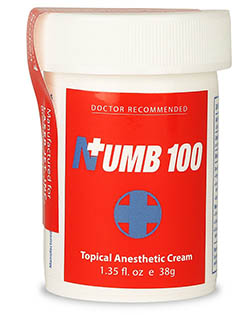
Numb 100 is marketed for long-lasting numbing with a small amount of cream.
It contains 5% lidocaine, which is above the 4% the FDA advises for over-the-counter numbing products. Ask a doctor before using it.
Even with numbing, rolling can leave you with a red and irritated face.
5. LMX4 Topical Anesthetic Cream
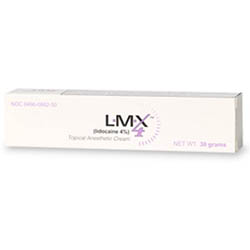
To help take the edge of the small amount of pain caused by your derma roller, try applying LMX4 first.
With 4% lidocaine, it stays within the FDA’s advised limit for over-the-counter products and helps numb the skin.
Keep it away from your eyes. Used as directed on a small area of facial skin, it’s a numbing option many people find perfect for derma rolling.
You can find products with more lidocaine, but stronger isn’t better. LMX4 comes in a handy size.
How To Use Numbing Cream
- Wash the area with warm soapy water to help minimize the risk of infection.
- Dry the area thoroughly.
- Apply a thin layer of cream only to the area you’ll treat, following the label. Don’t use it on irritated or broken skin.
- Wait the time the label directs. Don’t cover the cream with plastic wrap or a dressing: the FDA warns that covering numbing products increases absorption and can cause serious side effects.
- Wipe off the cream.
- Use your derma roller.
Safety Considerations
Numbing creams are generally safe when used as directed. But too much lidocaine absorbed through the skin can cause irregular heartbeat, seizures, and breathing problems, according to the FDA.
Use small amounts, never spread them heavily over large areas, and don’t leave them on longer than the label says.
Numbing products can interact with some medicines and supplements. If you’re pregnant or breastfeeding, take other medicines, or have any health concerns, check with your doctor or pharmacist first.
Finally, read the Drug Facts label before you buy. Choose 4% lidocaine or less, and skip any product that tells you to cover it with plastic wrap. Creams that combine lidocaine and prilocaine need a prescription in the U.S.
Do You Need To Use A Numbing Cream?
The decision to use a numbing cream is a personal one. It’ll depend on your own pain threshold as well as the size and location of the area you’re treating.
Using a numbing cream when derma rolling isn’t essential, nor will it completely eliminate pain, but it will make the experience less uncomfortable.
If you decide to try one, use the smallest amount that works and follow the label.
What Else Can You Use a Numbing Cream For?
A lot of these numbing creams are also suitable for use if you’re going to be getting a tattoo, or removing one!
After all, you (or the qualified professional – in an ideal world!) are sticking needles into your skin when you get a tattoo, just like you are when using a derma roller.
Your numbing cream could also double up as an anesthetic that you can use before waxing. Some lidocaine products are also labeled for minor burns or scrapes.
The FDA has warned several makers of tattoo numbing creams over high lidocaine levels, so the same 4% rule applies.
Be sure to check that the cream you choose is designed for the purpose you’re hoping to use it for.
Are There Any Natural Skin Numbing Alternatives?
Some people swear by home remedies for numbing their skin before using a derma roller.
Ice is a classic one for numbing the skin and relieving pain, and works to a certain extent but it can be a bit painful and will wear off quickly.
Some people also use oral painkillers, but this clearly isn’t a natural option, so you may as well apply a topical cream directly to the area you want to desensitise.
If you’d rather use a natural product, you could try Willow Balm, which we reviewed above, though it’s unlikely to numb as well as lidocaine.
In Conclusion
If you’ve come to experience unwanted pain when using your derma roller, it’s worth investing in a derma rolling numbing cream.
This article has reviewed five numbing creams for derma roller pain relief, including lidocaine creams and a natural option.
We also discussed safety considerations and whether an anesthetic cream for a derma roller is right for you.
Having looked at all the best options, we’ve picked out Aspercreme as our top option because it stays within the FDA’s advised 4% lidocaine limit.
Follow the label every time. If you’re unsure whether at-home rolling or numbing cream is right for you, talk with a dermatologist.
Sources
- FDA Warns Consumers to Avoid Certain Topical Pain Relief Products Due to Potential for Dangerous Health Effects, U.S. Food and Drug Administration
- Microneedling Devices, U.S. Food and Drug Administration