Dry Healing Tattoo: Everything You Need To Know
Contents
Just like tattoos themselves, the preferred style of healing is also unique to each individual.
Your skin takes a bit of a bashing when you get a tattoo. According to one estimate, the needle pricks the skin between 50 and 3,000 times a minute?
Most commonly, people help the healing process along with extensive use of creams and lotions.
Do you find that these creams and lotions are causing you further irritation and discomfort?
Are you keen to try a more natural approach to help heal your tattoo?
Dry healing a tattoo means that you’re simply not applying any ointment to the new tattoo. Some people heal well this way, but your tattoo artist’s aftercare instructions should come first.
However, how do you know that it’s right for you?
This article will answer all your questions surrounding dry healing and will help you decide if it’s the right course for you to take.
How Does Dry Healing Work?
The idea behind dry healing is that it’s an all-natural process and that if you’re healthy, your body will know how to heal itself.
Some creams and lotions, especially scented ones, can irritate sensitive skin.
An added bonus of dry healing is that it’s 100% free!
You also avoid spending money on aftercare products that promise more than a plain, fragrance-free moisturizer can deliver.
How Do I Dry Heal My Tattoo?
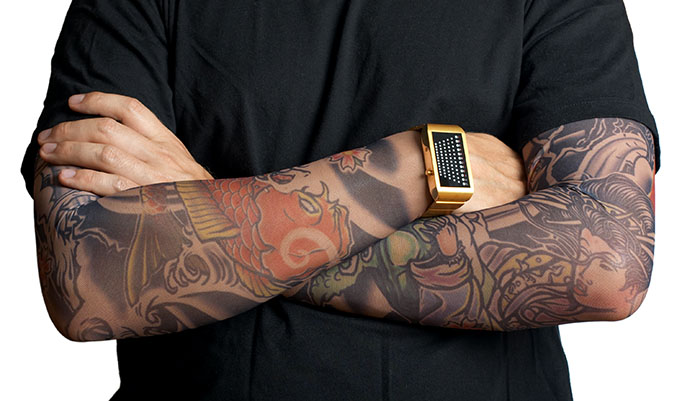
It may sound simple at first, avoiding creams and lotions, but there are still some important tattoo aftercare instructions you should take note of.
The tattooed area needs to be kept clean. Keep the bandage on for as long as your artist recommends.
Drinking enough water supports your overall health, but it won’t replace good wound care.
You’ll also need to wash your tattoo using water and a mild, low-irritant soap, followed by air drying or a gently pat dry with a soft towel.
It’s imperative to avoid touching your tattoo. This is a quick and easy way for germs to come into contact with your fragile skin.
- Wearing loose clothing will help minimize the irritation caused by fabric rubbing on your tattooed area. Clothing also prevents damage caused by the sun, which can play havoc with your healing time.
- After about three days, you need to leave your tattoo alone and let your body’s natural healing process take over. Think of your tattoo like a graze or a scratch and let it ‘air dry’. You don’t often apply creams or lotions to grazes, so do your best to leave your tattoo alone!
- It’s important to continue to keep your tattoo clean. This will involve washing it carefully and keeping it covered if you’re somewhere where you may be exposing it to harmful bacteria or further irritation.
- If your tattoo feels very tight or itchy, a thin layer of fragrance-free moisturizer is fine. Dry healing doesn’t have to be all or nothing.
- Give your tattoo plenty of time to heal. Dry healing a tattoo is by no means a fast process, but no form of healing will work overnight. Your body will work it out in its own time, when it’s ready. This may seem hard to do, but when you consider the fact that your tattoo is for ever, a few weeks healing time may not sound like long at all!
- Watch for signs of infection. The FDA says a rash or a tattoo that isn’t healing, especially with fever, can signal infection. See a doctor promptly if you notice these signs.
Are There Any Problems With Dry Healing?
If you’re someone who is easily tempted to itch your healing skin, or your tattoo is somewhere where you can easily reach it, the increased itching that comes with dry healing may be too much for you to handle.
Equally, if your skin is naturally quite dry, you may prefer to opt for a technique that offers a little more moisture.
In Conclusion
You’ll find that your healing regime is as bespoke to you as your tattoo.
Dry healing works for some people, while others heal better with a thin layer of moisturizer. Either way, clean hands, gentle washing and sun protection matter most.
If anything about your healing tattoo worries you, ask a doctor rather than waiting it out.
Sources
- Think Before You Ink: Tattoo Safety, U.S. Food and Drug Administration