
Maintaining Mobility To Maintain Independence
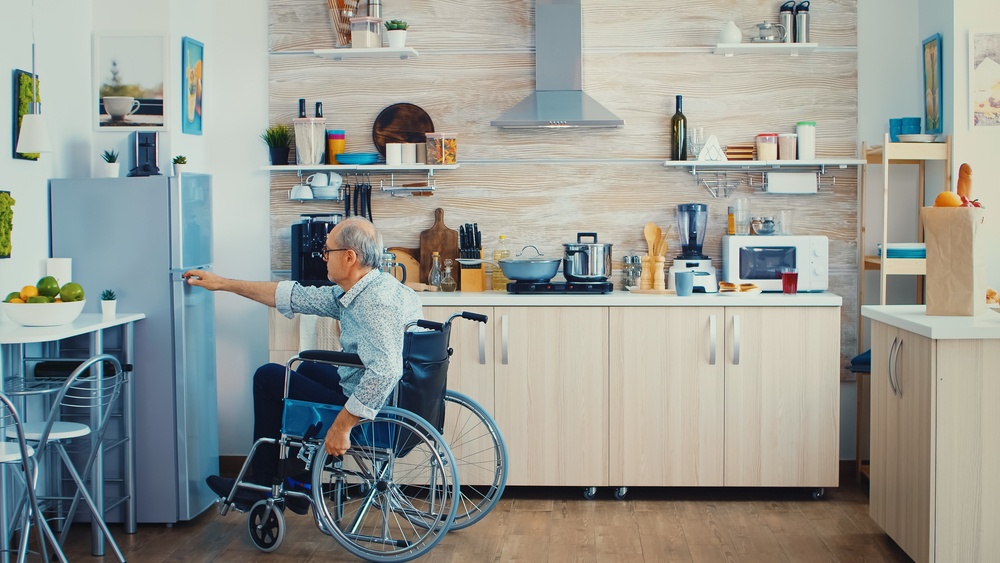
For people living with disability, it’s important to maintain as much mobility as possible. More than 1 in 4 US adults have some type of disability, according to the CDC.
The National Institute on Aging notes that maintaining mobility is more important for independence as we age than many people realize, and independence supports mental wellbeing.
For people living with disability there are a few ways in which they can attain their best possible level of mobility.
Alternative Therapies
Physical therapy for people living with disability has often focused on exercises that can be completed with a full focus on their area of decreased mobility. However, holistic treatment, and specifically aquatic therapy, may offer a wider range of benefits than targeted treatment. Aquatic therapy has been used with children who have cerebral palsy to work on both movement and thinking skills.
A 2019 paper in the journal Clinical Rehabilitation reported that targeted aquatic therapy could bring a clinically significant improvement in mobility and balance. Paired with mental health support, it may help people move with more confidence.
The Link Between Mental Health and Mobility
A study published in BMC Public Health found a link between mental health and mobility, and it appears to work both ways. People with a condition causing reduced mobility who had relatively low mental resilience to deal with the changes to their life reported lowered mobility, whereas those who were given the right support to address their condition reported better outcomes. Mental health support for people living with a disability may help improve mobility. Combined with assistive tech and therapy, it can support independence.
Assistive Technology
Technology has always played a part in aiding disability. Even a simple walking stick or cane is a piece of engineering designed to help individuals with their individual needs. Today, assistive tech is helping to provide that independence, while also enhancing an important factor for many people living with disability: breaking down stigma. Mobility aids such as canes, walkers, wheelchairs and scooters can help people with a physical disability be more independent. Everyday smart tech, such as voice assistants and smart home controls, can also make daily tasks easier.
The key to understanding disability is remembering that it isn’t just about the physical effects of that disability. Independence is a complex thing that requires several different areas of input to develop. When it comes to disability, taking a holistic approach is essential. A physical or occupational therapist can recommend exercises and devices that fit your needs.
Sources
- Disability and Health Overview, CDC
- Mobility Aids, MedlinePlus