Menstrual Cycle Vitamins: Your Best Option Reviewed
Contents
We take vitamins for a variety of reasons, to boost our energy, to take care of our skin, and to iron out any digestive problems we may be having.
So why not take menstrual cycle vitamins for our menstrual cycle?
It’s common knowledge that women go through a lot during their monthly cycle. Some people find certain supplements help with premenstrual symptoms, from irritability to sore breasts and cravings, though the evidence is mixed.
Managing these symptoms can make your monthly cycle easier to deal with, both physically and emotionally.
Supplements are not a replacement for proven treatments. MedlinePlus lists pain relievers such as ibuprofen for cramps, headaches and breast tenderness, and SSRIs for severe cases.
I’ll explain where vitamins may fit in. I’ve also looked at one popular product sold for combatting PMS.
How Do Vitamins Help Ease Menstrual Cycle Symptoms?
Your period does not cause a vitamin deficiency on its own, and the causes of PMS are not fully understood. Heavy periods can lower iron levels, though, which is worth checking with a clinician.
According to MedlinePlus, a provider may suggest vitamin B6, calcium or magnesium for PMS. Regular aerobic exercise, a balanced diet and less salt and sugar may also help.
There are also many menstrual cycle vitamins and supplements on the market designed specifically to target women’s menstrual cycles and any deficiencies accompanied with menstrual cycles.
Many contain herbal ingredients. Keep in mind that the FDA does not approve dietary supplements before they are sold, and herbs can interact with medicines.
Irwin Naturals Menstrual Relief Hormone Balance, 84 Count
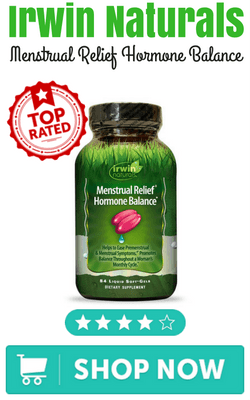
Irwin Naturals have designed their soft gel vitamins to target the promotion of balance throughout the women’s menstrual cycle.
By doing so they aim to alleviate premenstrual and menstrual symptoms.
The formula combines herbal ingredients with vitamins. We could not find good clinical trials of this specific product, so treat its mood, pain and hormone claims as marketing, not proven effects.
If you want to try it, read the full ingredient list and check it with a pharmacist, especially if you take other medicines, are pregnant or are trying to conceive.
Pros & Cons
Like with anything, a great way to get an overview of a product is by looking closely at the pros and cons.
The maker says the product eases premenstrual symptoms and provides menstrual comfort, but the FDA has not evaluated those claims.
On the plus side, it combines several ingredients in one daily product, and the liquid soft gels may suit people who dislike tablets.
The only downside there are to mention would be the capsule size.
Whilst they’re in a soft gel form, they’re rather large in size and there have been some customer reviews stating that if you’re one of those people who struggle to consume tablets, gels, capsules then these are slightly larger than usual vitamins.
Conclusion
Menstrual cycle vitamins may help some people, but no supplement is a cure for PMS, and none is free of side effects.
Start with the basics that have the best support: exercise, a balanced diet, and over-the-counter pain relief for cramps. If symptoms disrupt your life, see a clinician. Keeping a symptom diary for a few months can help you both find the right treatment.
Sources
- Premenstrual syndrome, MedlinePlus
- Probiotics: Usefulness and Safety, NCCIH