The Ultimate Review Guide To Anti Snoring Devices
Contents
- Top Anti Snoring Devices Reviewed
- Different Types
- Top 5 Best Anti Snoring Devices
- SnoreCore - Nose Vents
- ZzzQuil
- SnoreX Mouthpiece
- My Snoring Solution Jaw Strap
- SnoreDoc Chin Strap
- Other Devices To Stop Your Snoring
- Sleep Aid Mouth Guard
- Rhinomed Mute Dilator
- Gideon Anti-Snoring Nose Vents
- Peak Life Somnapure
- Theravent MAX
- A Buying Guide
- Sources
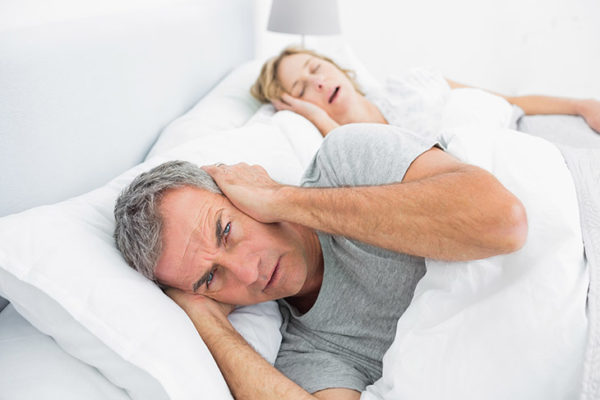
Getting your recommended eight hours of sleep every night is difficult. It’s even more difficult if you, your spouse, your child, your parent, or your roommate struggle with snoring.
Yes, it’s frustrating to live with someone who snores and to be constantly awoken by the sound of their loud and long vibrations.
Snoring can also be a sign of obstructive sleep apnea, where breathing stops and starts during sleep. Morning headaches, waking up unrested, daytime sleepiness, or a partner noticing pauses in your breathing are reasons to see your healthcare provider before buying any device.
Sleep apnea is diagnosed with a sleep study and needs medical treatment. Over-the-counter snoring devices can mask the noise without fixing the breathing problem.
For simple snoring, there are lots of options. Here's how the main types compare.
Top Anti Snoring Devices Reviewed
| Image | Model | Treatment Type |
|---|---|---|
| Gideon Anti-Snoring Nose Vents | Gideon Anti-Snoring Nose Vents | Nose Vents |
| My Snoring Solution Jaw Strap | My Snoring Solution Jaw Strap | Jaw Strap |
| Peak Life Somnapure | Peak Life Somnapure | Melatonin Supplement |
| Rhinomed Mute Dilator | Rhinomed Mute Dilator | Dilator |
| Sleep Aid Mouth Guard | Sleep Aid Mouth Guard | Mouth Guard |
| SnoreCare - Nose Vents | SnoreCare - Nose Vents | Nose Vents |
| SnoreDoc Chin Strap | SnoreDoc Chin Strap | Chin Strap |
| SnoreX Mouthpiece | SnoreX Mouthpiece | Mouthpiece |
| Theravent MAX | Theravent MAX | Nasal Strip |
| ZzzQuil | ZzzQuil | Liquid Sleep Aid |
Different Types
Pillows
The pillow is largely considered the first of many stop snoring devices. It’s not surprising, then, that it’s also become the least effective. Just like regular pillows, the purpose of a pillow designed specifically to decrease snoring is comfort.
The idea - or hope - is that the pillow elevates your head in such a way that it keeps your airways open holds your jaw and tongue in place.
Some customers complain about a chemical smell and the high price of these pillows. MedlinePlus suggests sleeping on your side rather than flat on your back, and a pillow that helps you stay there may be more useful than one that simply props up your head.
Mouthpieces
Mouthpieces are among the more effective options for many snorers. Oral appliances fitted by a dentist are also used to treat some cases of sleep apnea under a doctor's care.
Most mouthpieces move your lower jaw or tongue forward to keep the airway more open. Over-the-counter versions don't need a special fitting, but they can cause jaw pain or tooth soreness, so stop if they hurt and talk to your dentist.
Nasal Products
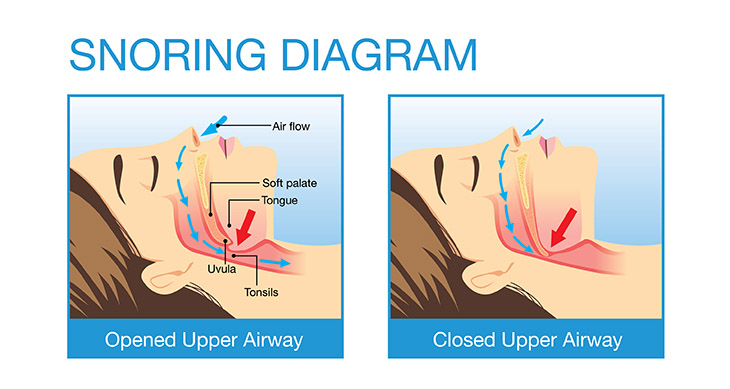
You’ve probably seen these at your local pharmacy or grocery store. You know, those bandage-like strips that spread across the bridge of your nose?
They aim to spread your nostrils while you sleep, thus increasing airflow and preventing that annoying sound of a heavy slumber. But nasal products aren’t just limited to this adhesive.
Some people also use nasal sprays for allergies, which can help if a stuffy nose is part of the problem. Decongestant sprays shouldn't be used for more than a few days at a time. MedlinePlus notes that nasal strips are not a treatment for sleep apnea.
Chin Straps
Perhaps the most obvious and potentially unattractive of the anti snoring devices is the chin starp. It does exactly what the name might suggest.
It wraps around your chin and connects via a strap on the back of your head. Like the other snoring devices, it’s aim is to decrease strained airflow.
By keeping the mouth closed, the strap may quiet snoring in some people who breathe through the mouth. Like pillows, chin straps don’t work for everyone, and you should never use one if you can't breathe easily through your nose.
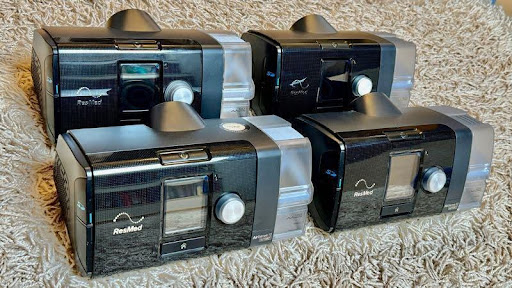
CPAP
First and foremost, allow me to explain the acronym. CPAP stands for Continuous Positive Airway Pressure Device. Sounds a bit scary, doesn’t it?
CPAP is a prescription medical device and one of the main treatments for obstructive sleep apnea, according to the NHLBI. It's not a last resort; for people with sleep apnea it's often the first treatment.
The setup includes a mask, a hose and a small machine that provides steady air pressure. You need a doctor's diagnosis and prescription to get one.
Sprays And Pills
You'll see claims that sprays and pills are all-natural fixes, but they're the least consistent option for snoring.
Sleeping pills and sedating antihistamines can actually make snoring worse. MedlinePlus lists sleeping pills, antihistamines and bedtime alcohol as causes of poor throat muscle tone that contributes to snoring.
If you might have sleep apnea, sedatives can be risky, so talk to a doctor before using any sleep aid.
Top 5 Best Anti Snoring Devices
Instead of looking for a particular brand, look for the device that fits your needs. Everyone is different!
Consider comfort, cost and how well it works for you. Below are some popular options. We've removed old prices and ratings because they change often; check the current listing.
SnoreCore - Nose Vents
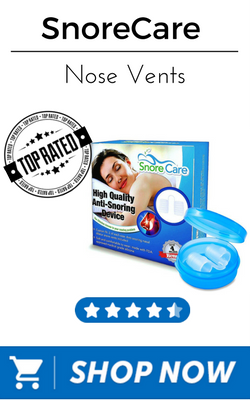
These nose vents have been popular with buyers. They are a nasal product: two silicone vents sit inside your nostrils to hold them open.
They may help if your snoring comes from the nose. Several sizes are included, and the set comes with a travel case.
I’m sure that we’ve all been burdened by a neighbor who has been snoring incessantly on a flight or, perhaps worse, we are that snorer!
ZzzQuil
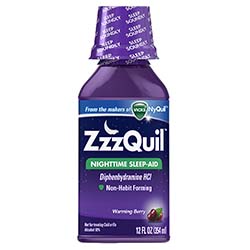
We don't recommend ZzzQuil for snoring. It's a sleep aid containing the antihistamine diphenhydramine, and it does nothing to open your airway.
Sedating antihistamines relax throat muscles and can make snoring worse. They can also cause drowsiness and dizziness, and MedlinePlus says diphenhydramine should not be used in older adults except for serious allergic reactions.
Don't combine it with alcohol, and if you might have sleep apnea, talk to a doctor before taking any sleep aid.
SnoreX Mouthpiece
You might expect that is is the same brand as our #1 pick, but it’s not.
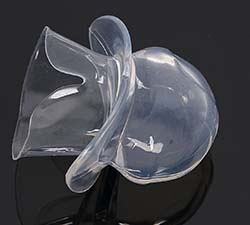
This is a tongue-retaining style of mouthpiece. Instead of moving the jaw, it uses suction to hold your tongue forward so it doesn't fall back and narrow your airway.
Reviews are mixed; some people find tongue devices hard to get used to. It's clear and doesn't require any molding.
Clean it as the maker directs and replace it if it wears or cracks.
My Snoring Solution Jaw Strap
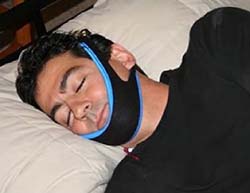
This jaw strap has been a popular seller. It might not be the most attractive sleeping accessory, but some mouth-breathing snorers find it helps.
The maker has claimed it improves REM sleep and oxygen levels. We couldn't confirm those claims, and a strap is not a treatment for sleep apnea.
Various sizes are available, and many customers find the fabric comfortable.
SnoreDoc Chin Strap
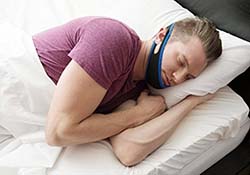
Another chin strap, with mixed reviews.
The one benefit it has over our number four spot is that it’s much easier to fasten.
It's designed to hold the jaw closed during sleep. It's a bit smaller in overall size. Customers disagree about the Velcro strap, but most say it fits comfortably and adjusts well.
Other Devices To Stop Your Snoring
Sleep Aid Mouth Guard
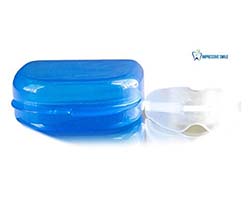
This boil-and-bite style mouth guard is sold for snoring and teeth grinding. The FDA does not make these products; check the listing for the device's FDA clearance, and see a dentist if you grind your teeth, since a custom guard may protect them better.
Rhinomed Mute Dilator
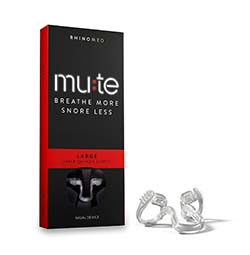
These small nasal dilators sit inside the nose to hold the nostrils open. They may quiet snoring that starts in the nose.
Gideon Anti-Snoring Nose Vents
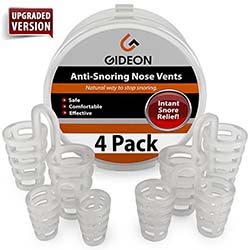
These vents aim to increase airflow through the nostrils. Like other nasal products, they only help if your nose is part of the problem.
Peak Life Somnapure
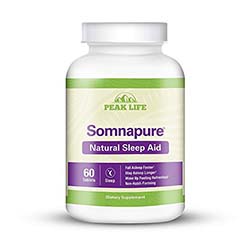
This is a melatonin supplement, not a snoring treatment. It does nothing to open your airway.
The FDA does not approve dietary supplements for safety or effectiveness before they're sold. Ask your doctor before using melatonin if you take other medicines, are pregnant, or might have sleep apnea.
Theravent MAX
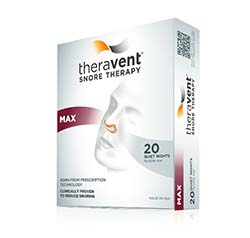
Theravent uses small valves over the nostrils that make breathing out slightly harder, which is meant to steady the airway. It's sold for snoring only, not sleep apnea. Results vary from person to person.
A Buying Guide
First things first, try to pinpoint what’s causing your snoring. Is it a health problem, is it allergies, is it simply that you’re sleeping the wrong position?
MedlinePlus suggests sleeping on your side, losing weight if you're overweight, and avoiding alcohol and sleep-inducing medicines at bedtime.
If you notice daytime sleepiness, morning headaches or pauses in breathing, see a doctor first. Once you know the cause, consider:
Price: This is a pretty simple one. Can you afford it? Is it worth the cost in the long-run?
Invasiveness: Will the product affect your day-to-day life? Will you be able to comfortable sleep while using the device? How will it affect our loved ones?
Longevity: It is a temporary solution or a long-term one? Do you see yourself using and benefiting from it every day.
Snoring isn't always a sign of a serious problem, but it can affect your sleep and your partner's.
For simple snoring, a device from this guide may help. If snoring comes with gasping, choking or daytime sleepiness, get checked for sleep apnea, which needs medical treatment.
Sources
- Snoring - adults, MedlinePlus Medical Encyclopedia
- Sleep Apnea: What Is Sleep Apnea?, National Heart, Lung, and Blood Institute
- Diphenhydramine, MedlinePlus Drug Information