Complete Guide To The Best Shoes For Plantar Fasciitis
Contents
- Top 10 Best Shoes For Plantar Fasciitis
- What’s Plantar Fasciitis?
- Best Shoes for Plantar Fasciitis
- Women’s Vionic Tide II Sandals
- Vionic Women’s Walker Classic Shoes
- New Balance Men’s MW840 Walking Shoe
- Vionic by Orthaheel Women’s Paros Leather Sandals
- Spenco Women’s Siesta Slide Mule
- Vionic Women’s Agile Kea Slip-on
- Vionic Men’s Contest Active Lace Up Shoe
- Telic Unisex Support Recovery Flipflop
- Orthofeet Monterey Bay Men’s Sneakers
- Orthofeet Tahoe Women’s Athletic Shoe
- Tips For Dealing with Plantar Fasciitis
- 1. Stretch your calves before getting up in the morning
- 2. Massage
- 3. Rest
- 4. Ice
- 5. Braces and supports
- 6. Physical therapy
- 7. Cortisone injections
- 8. Surgery
- Conclusion
- Sources
If you’re one of the many people suffering from plantar fasciitis, then you know how painful this condition can be.
You make life choices based on what your feet will tolerate. You pick your outfits based on the few shoes you can wear comfortably.
The good news is that most people improve with simple, nonsurgical care.
Supportive, well-cushioned shoes are one part of that care, along with stretching, rest and ice. See a doctor or podiatrist to confirm the diagnosis.
When you aren’t sure what to look for in a quality pair of shoes, be sure to read this comprehensive guide to help you make the best selection.
Top 10 Best Shoes For Plantar Fasciitis
What’s Plantar Fasciitis?
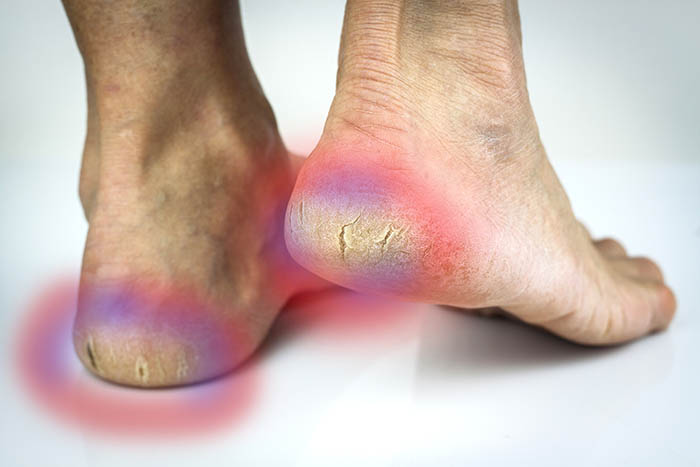
Plantar fasciitis is a common cause of heel pain. The flat ligament that connects your heel bone to the toes is called the plantar fascia.
If this tissue becomes strained or irritated, it can become inflamed and painful. As you can imagine, this means your foot can hurt while standing or walking.
According to the American Academy of Orthopaedic Surgeons, it is most common in people aged 40 to 60, but it also affects younger people who spend a lot of time on their feet. It’s also possible to have symptoms in just one foot or both at the same time.
Other reasons that you could suffer from plantar fasciitis are:
- Your foot rolls inwards when you walk.
- Standing, walking or running for long periods of time, especially on hard surfaces.
- Being overweight.
- Pregnancy.
- High arches or flat feet.
- Poorly fitting shoes.
Some of the main complaints you’ll have with plantar fasciitis are generalized pain and stiffness in the bottom of your heel.
The pain can also be felt at times on the bottom of the mid-foot area.
The level of pain can differ per person. Some describe it as a dull achy pain, while others feel a sharp, stabbing pain.
You could also experience a burning or ache at the bottom of your foot extending out towards the heel.
This pain is often much worse first thing in the morning or after prolonged activity. Many people suffer after they climb the stairs due to the heel stiffness.
You may also find that anytime you’re doing repetitive movements, you suffer from increased inflammation.
While you might be okay during the activity, the pain itself tends to flare as soon as that activity ceases.
Best Shoes for Plantar Fasciitis
If you’re ready to take charge of the pain you experience and start living a normal life again, you’ll want to find the best shoes for plantar fasciitis.
Many supportive shoes now look like regular everyday shoes.
Here are my picks for the top 10 shoes to look out for.
Women’s Vionic Tide II Sandals
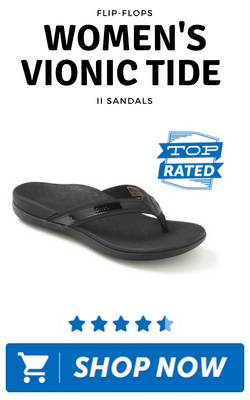
Just because you have issues with your feet doesn’t mean you want to walk around wearing shoes that aren’t stylish.
Enjoy the warm months in a great pair of sandals that feature Orthaheel Technology for a comfortable fit.
They feature a soft woven toe post and foam-lined strap to ensure you’ll be comfortable all day long.
In addition, they’re lightweight, making them perfect for trips to the beach and pool.
The EVA midsole absorbs the shock that can often create more pain in the foot. This shoe also is known for reducing stress on the feet, ankles, and knees.
Vionic says the footbed was designed with podiatrists and has a built-in orthotic shape.
It also has a deep heel cup for support.
Vionic Women’s Walker Classic Shoes
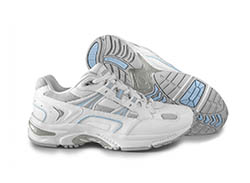
Here’s another great option from the same podiatrist-designed brand as our last option, a highly stylish walking shoe.
It’s a water-resistant leather sneaker with a shock-absorbing EVA midsole. The mesh upper layer allows for air to flow freely during exercise.
These sneakers don’t just bring comfort back to walking, the advanced Orthaheel technology features a biomechanical removable orthotic with anti-bacterial treatment.
The Orthaheel motion-controlling sole also has a contoured arch support and heel cup for extra support.
New Balance Men’s MW840 Walking Shoe
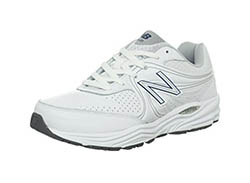
Created with a leather upper and blown rubber outsole, this walking shoe features comfort and design in one.
The higher instep, breathable perforations, and mesh tongue allow for maximum relief all day long.
Now, you can find a way to do your normal exercise routine without sacrificing comfort and support.
New Balance offers an impact-absorbing ABZORB midsole cushioning with this sneaker and a narrower heel with a wider forefoot.
With the New Balance name behind this sneaker, you know it can be trusted and relied on.
Vionic by Orthaheel Women’s Paros Leather Sandals
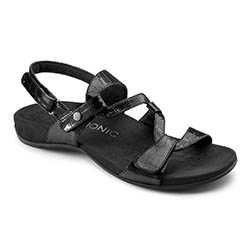
This sandal is the perfect addition to any fun summer day or an exciting night on the town.
It’s made of leather and uses manmade or natural cork uppers with microfiber-covered sole.
This sandal features a lightweight, flexible EVA midsole to absorb the shock of daily life. This enables your feet, ankles, and knees to feel less stressed.
You also don’t need to worry about what surfaces you’re walking on. This shoe offers a durable, rubber outsole with a patterned tread to provide optimal traction no matter where you go.
The Orthaheel Technology is biomechanically designed to fully support your arches and feet with all-day comfort.
The built-in orthotic footbed may make standing more comfortable, but no sandal treats plantar fasciitis on its own. You can adjust the sandal three ways for a snug fit.
Spenco Women’s Siesta Slide Mule
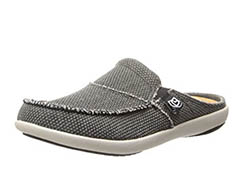
How comfortable does this pair of shoes look?
When you’re battling pain from your plantar fasciitis, this pair of shoes will feel like a breath of fresh air.
They’re made from fabric or textile and feature a rubber sole.
The orthotic-grade arch support, metatarsal dome, and deep heel cupping are the three elements that make this slide a good choice for people with foot pain.
Combine the comfort of kick-off styles with the casual look you need to run the daily errands.
The weathered upper canvas, soft linings, and side gore are all going to allow maximum breathability for all-day comfort.
Vionic Women’s Agile Kea Slip-on
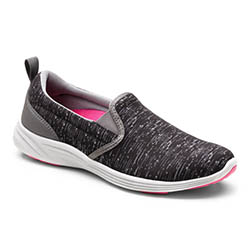
Here’s another Vionic option to combat foot pain.
It features an EVA orthotic insert and Advanced Motion System (AMS) technology.
These add cushioning and support for all-day wear.
Slip-ons make it easy to wear around the house or out accomplishing your daily tasks.
Vionic Men’s Contest Active Lace Up Shoe
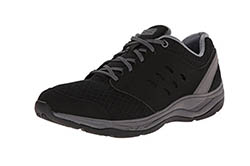
The Vionic Brand has been a leader in the shoe market for people with foot pain.
This walking shoe features breathable, lightweight mesh and a removable dual density EVA footbed that was designed by a podiatrist.
For exceptional comfort and performance all in one, this is your sneaker.
Telic Unisex Support Recovery Flipflop
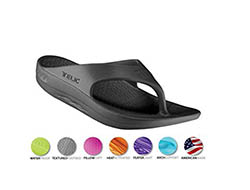
This shoe is known to be a recovery shoe to use after sports, walking, running and other forms of movement.
When your feet hurt, this is the pair of shoes you want to relax in.
You may even find that you want to wear them all the time.
Telic says its sandals are popular with people who see podiatrists for foot pain, so they may be worth a try.
Orthofeet Monterey Bay Men’s Sneakers
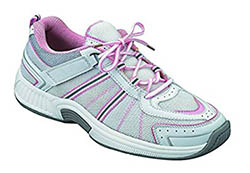
This is a great option when you need orthotic support for almost any foot issue.
It offers contoured orthotic inserts, anatomical arch support, and a gel padded heel-seat for all-around support.
It’s a great option to continue with a normal exercise routine in comfort.
Orthofeet Tahoe Women’s Athletic Shoe
Here’s another great choice from Orthofeet.
This version also contains the same contoured orthotic inserts and anatomical arch support.
Along with the gel-padded heel seat, it offers good cushioning.
Complete your walks and workouts without the pain you normally feel in your feet.
Tips For Dealing with Plantar Fasciitis
Aside from finding the best pair of shoes for pain relief, there are many other steps you can take to make life a little more comfortable.
Try these practical tips to help change your life.
1. Stretch your calves before getting up in the morning
While you’re still in bed, take a towel or belt and loop it around the ball of your foot.
While you keep your leg straight, pull the towel towards your body until you achieve a stretching sensation.
Hold the stretch for about 10 to 30 seconds and repeat several times on each foot.
This will help fight against that first thing in the morning pain many people experience.
2. Massage
Everyone looks forward to a great massage, so why not make an excuse to treat yourself.
If you want a cheaper massage, grab yourself a tennis ball and place it on the ground.
Roll it gently under the foot for a few minutes at a time to loosen up the plantar fascia.
Make sure you’re applying enough pressure on the ball to feel the benefits of the massage.
3. Rest
Seems like a no-brainer, but many people don’t follow through on this.
If certain activities are causing you pain, take a break from them when possible.
4. Ice
The AAOS suggests rolling your foot over a frozen water bottle or ice for 20 minutes, 3 to 4 times a day.
5. Braces and supports
Several options are available as treatments for providing some additional stabilization and support.
Use a night splint to stretch your calf and the arch of your foot. This will hold your foot in the flexed position through the night and hopefully reduce some of that pain you feel in the morning.
There are also many orthotics, or arch supports that can be placed directly in the shoes to distribute pressure evenly. Over-the-counter or custom inserts can help cushion the heel and support the arch.
6. Physical therapy
Many people find this option to be effective at treating plantar fasciitis.
It encourages the stretching needed to feel relief and the physical therapist is going to have the optimal workouts for you to do.
7. Cortisone injections
If other methods aren’t appearing to be effective at managing your pain, you could always speak with your doctor about these injections.
They can reduce pain and inflammation, but doctors limit them because repeated injections can weaken the plantar fascia and may lead to a tear.
8. Surgery
Surgery is rarely needed. More than 90% of people improve within 10 months of starting simple treatments, and surgeons usually consider an operation only after about 12 months of nonsurgical care.
There are two main methods. First, the surgeon can partially release the plantar fascia where it attaches to the heel bone, which relieves tension but can affect the arch.
Second, the surgeon can lengthen the calf muscle (gastrocnemius recession) to improve ankle motion.
Conclusion
If you’re one of the many people suffering from this painful ailment, I hope you’ve found my guide to be helpful. Most people with plantar fasciitis get better with time and consistent care.
Between the stretching exercises and treatments available plus the best shoes for plantar fasciitis, you have a good chance of getting back to your favorite activities. If heel pain lasts more than a few weeks, see a doctor.
Now you can plan your schedule based on what you want to do, not just what your feet will allow you to accomplish.
Sources
- Plantar Fasciitis and Bone Spurs, American Academy of Orthopaedic Surgeons (OrthoInfo)
- High Arch Feet (Pes Cavus): Causes, Symptoms & Treatment, Cleveland Clinic
- Flat Feet (Pes Planus): Types, Symptoms & Treatment, Cleveland Clinic