The Best Wheelchair Cushion For Preventing Pressure Sores
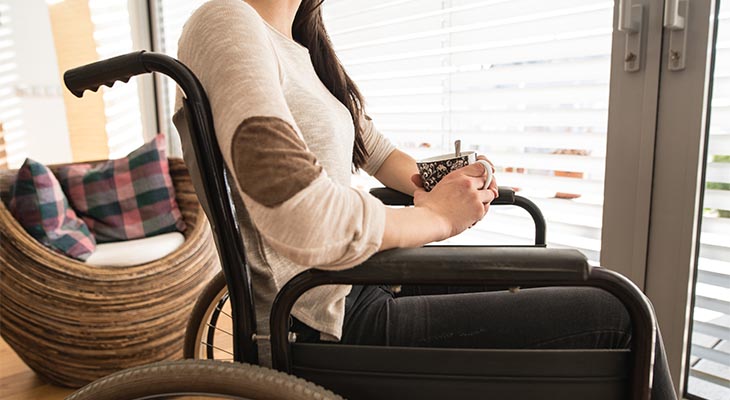
When it comes to a wheelchair cushion, it’s imperative to find the right one.
A regular cushion or pillow on the seat just isn’t efficient enough to endure sitting for long periods of time. It flattens easily and doesn’t help prevent pressure sores.
Pressure sores are extremely common amongst wheelchair users.
MedlinePlus advises wheelchair users to shift their weight every 15 to 20 minutes to relieve pressure. The right cushion helps too, but it doesn't replace regular weight shifts.
There are many options on the market, but which one suits best?
We’ve reviewed the best wheelchair cushions to prevent pressure sores and provide the best all-day comfort, to help save you time and money.
Criteria
A wheelchair cushion shouldn’t be a regular cushion or pillow. These don’t provide the right support, and leave you slouching, and you still end up with pressure sores.
They also can slide everywhere. Good wheelchair cushions were built with long-term sitting in mind. They should help distribute weight to prevent sores and slouching.
They should promote a healthy posture. Wheelchair cushions could also have a contoured base, fitting to the natural curves of the human body.
MedlinePlus recommends a foam or gel seat cushion that fits your wheelchair, and advises against donut-shaped cushions. They're not just useful for wheelchairs, but for any chair.
If you're at risk for pressure sores, ask your provider or physical therapist which cushion suits you. People with spinal cord injuries or existing sores often need a specialized pressure-relief cushion.
Product Information
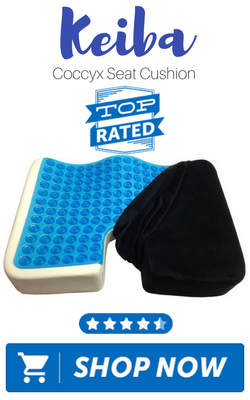
The Keiba Coccyx Seat Cushion is a comfortable everyday cushion for wheelchair users. Keep in mind it's a general-purpose coccyx cushion, not a medical pressure-relief cushion for high-risk users.
This contoured cushion combines two elements to provide optimal comfort: ultra premium memory foam and a gel cushion.
The memory foam means that the cushion fits the body and the gel cushion provides a cooling layer of extra comfort.
It maintains a healthy temperature by reducing trapped body heat that normally occurs when sitting for long periods of time with a thick cushion.
The cushion is designed to take pressure off the coccyx (tailbone) and lower back.
It's shaped to encourage an upright posture, which can reduce slouching.
This cushion is firm, providing good support, yet soft enough for comfortable seating. It's meant to spread your weight more evenly, which is the main job of any seat cushion.
It comes with a velour cover that has a zipper in the rear for easy cleaning. Foam can lose support over time, so check the cushion regularly and replace it if it flattens.
It also has a non-slip bottom, preventing it from moving out from underneath you or shifting when getting in and out of the chair.
Measure your wheelchair seat and compare it with the listed dimensions before ordering.
Pros & Cons
Many buyers also use it for general tailbone or lower back discomfort when sitting. It is not a treatment for bed sores, sciatica or disc problems; see a clinician for those.
One of the biggest details of this wheelchair cushion that people love is the cooling gel. It can make all the difference when it comes to long-term sitting! Right away you will notice a difference when you sit on it, even though the velour cover.
Memory foam tends to have its own odd smell and this is no exception. It’s been reported to go away over time though with use. This may be a downfall for some but is expected of memory foam products.
This cushion isn't just for wheelchairs. It can be used on other chairs at work, in the car, or even on a plane, which makes it one of the more versatile best cushions for everyday sitting.
Conclusion
The Keiba Coccyx Seat cushion is our pick for a comfortable everyday wheelchair cushion. Combined with regular weight shifts, a good cushion can help lower your risk of pressure sores.
If you notice redness or a sore that lasts more than a few days, or skin that becomes painful, warm or starts draining, contact your provider right away. MedlinePlus also suggests having your wheelchair fit checked once or twice a year.
Sources
- Preventing pressure injuries, MedlinePlus