Derma Roller Before & After: See the Results For Yourself
Contents
Thinking of hopping on the bandwagon and trying out derma rolling?
You might well be wondering if it really works!
Well, before you go sticking needles in your skin without the facts, we’re going to simplify things for you.
We’ll discuss everything you need to know about derma rolling and how it can become part of your beauty regime and what benefits you can expect.
Results vary, so it helps to know what’s realistic before you start.
So, let’s get the ball rolling…
What Are Derma Rollers & How Do They Work?
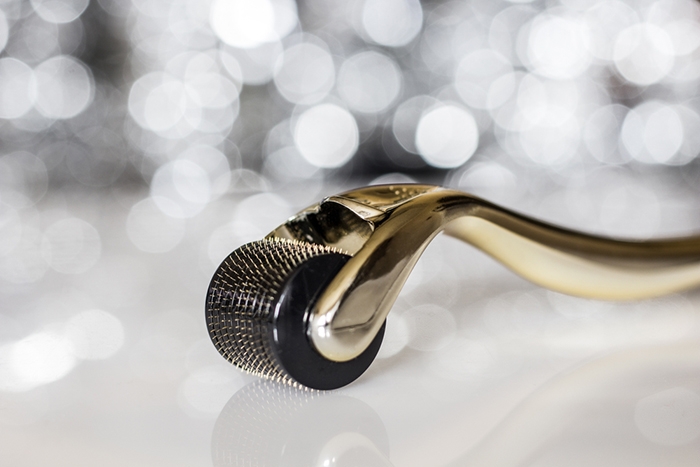
Derma rollers are a unique beauty tool designed with a roller head covered in tiny needles. They penetrate the top layer of your skin creating slight abrasions.
You might be wondering why anyone would voluntarily stick needles in their skin. Trust me, it’s not as crazy as it sounds. It actually makes an awful lot of sense!
It’s really quite clever. By creating micro-injuries, your skin is triggered into producing collagen to heal and begin repairing the area.
This collagen is crucial for keeping your skin young. Collagen and elastin production leaves your skin plumped up, tightened and looking younger.
Aside from producing collagen, derma rolling is a form of exfoliation clearing out your pores and stimulating blood flow for a glowing complexion.
It can also help with absorbing the beauty products you put on your skin.
Does Derma Rolling Really Work?
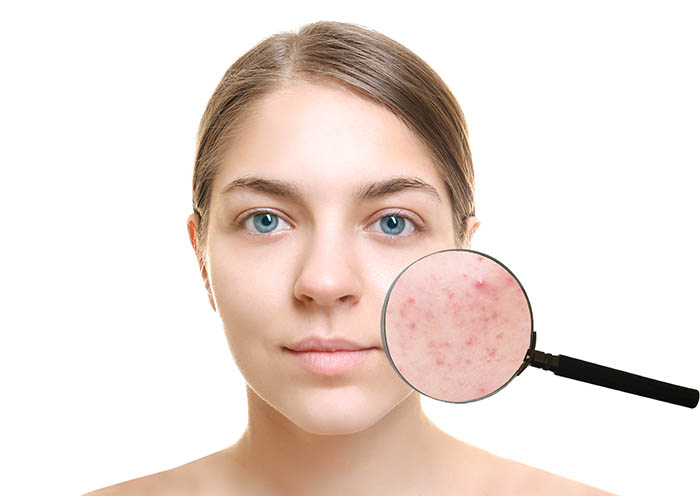
People use derma rolling on stretch marks, acne scars, fine lines, wrinkles, and other blemishes they want to fade. The FDA has authorized certain microneedling devices for facial acne scars, facial wrinkles, and abdominal scars in adults, though not every roller sold online.
The idea is that controlled micro-injuries prompt your skin to remodel scar tissue and make new collagen. The Cleveland Clinic says results can take 3 to 6 months and usually need several sessions.
Many people also share derma roller stretch marks before and after photos. Online photos aren’t controlled comparisons, so treat them with caution.
Choosing the Right Derma Roller & Needle Size
When selecting the best roller look for a reputable brand.
Like with most things, if you go ahead and simply google it you’ll be met with tons of options and leave yourself feeling overwhelmed with the variety.
Purchase a roller with titanium needles as these are the strongest and most durable option out there.
This isn’t really the time to be looking for the cheapest product.
After all, when it comes to invasive treatments such as derma rolling you’d rather use a good quality product.
For needle sizes, shorter needles (0.25 to 0.5 mm) are common for home use. Longer needles, used for deeper scars, are best left to a trained provider.
Products To Use After Treatment
Many people apply a serum after derma rolling.
Freshly rolled skin is easily irritated, so only use serums labeled as safe after microneedling. The FDA has not authorized microneedling devices for delivering cosmetics into the skin.
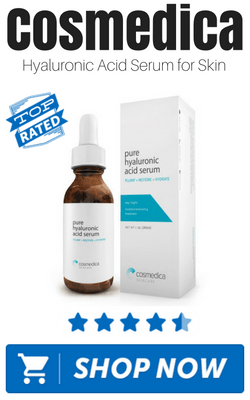
One option is the Hyaluronic Acid Serum for Skin by Cosmedica available from Amazon.
Maintaining my Derma Roller
To maintain and clean your roller you’ll need to use at least 75% alcohol.
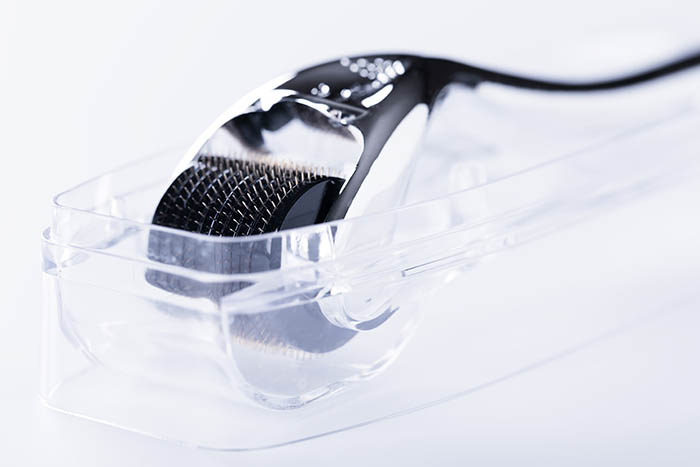
Often, your derma roller product will come with a cleaning tray which allows you to fill it with the alcohol solution and submerge your roller in there.
Let it soak for as long as the maker directs, then run under warm water and allow to air dry on a clean paper towel.
Do this after every use and remember, never share your derma roller.
Final Thoughts
Now that you know the basics of derma rolling, you can go on to find the best product available and use it safely at home and enjoy your derma roller results.
See a dermatologist before you start if you have active acne, a rash or skin infection, eczema, psoriasis, a bleeding disorder, or diabetes, or if you’re pregnant or took isotretinoin in the past six months.
Sources
- Microneedling Devices, U.S. Food and Drug Administration
- Microneedling, Cleveland Clinic