Menstrual Sea Sponges: What to Know Before You Buy
Contents
A menstrual sponge is a natural, biodegradable sea sponge that some people use in place of a tampon during women’s monthly cycles.
By some estimates, the average woman throws away between 250 and 300 pounds of tampons and pads in her lifetime. That’s a lot of landfill.
Sponges appeal to people who want less waste. But there is a safety catch to know first.
The FDA regards sea sponges sold for menstrual use as significant risk devices that need premarket approval. FDA testing found sand, grit, bacteria, yeast and mold in sponges, and the CDC reported a case of toxic shock syndrome (TSS) linked to a sea sponge.
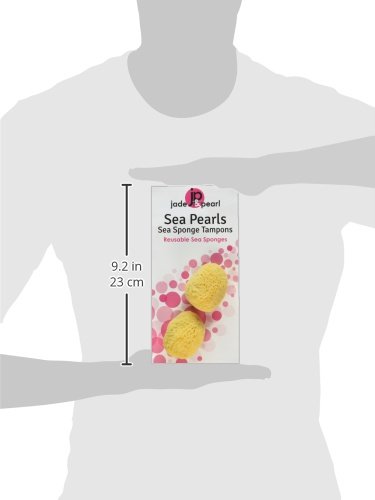
The sponge readers ask us about most is the reusable sea sponge sold by Jade and Pearl. The company says it sources its sponges from Atlantic, Caribbean and Bahamas waters.
Here is what sponges offer, what the FDA found, and safer reusable options.
Why Do People Use A Menstrual Sea Sponge?
Fans of sea sponges point to a few reasons.
First of all, they’re a renewable resource, which means that when the sea sponges are harvested a small bit of sponge is left behind so it can keep growing and be harvested again.
Sellers also say the sponges are free of added chemicals. They are soft and reusable, and sellers say one sponge lasts a few months, which can save money over disposables.
Weigh those points against the safety concerns below before you decide.
Why Choose Jade & Pearls Reusable Sea Sponges?
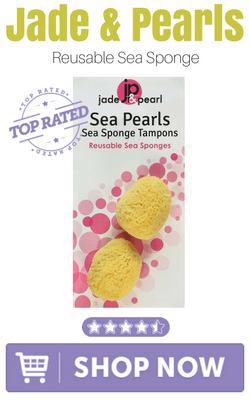
Jade and Pearl says it inspects, washes, trims and packages each sponge.
Their natural sponges come in extra small, small, medium and large and you can purchase them in classic or ultra soft.
The company says they last three to six months with care and are not bleached.
Natural does not mean sterile, though. FDA lab tests of sea sponges found bacteria, yeast and mold, and one sample carried Staphylococcus aureus, the bacterium behind many TSS cases.
Jade and Pearl also sells cloth menstrual pads, a reusable option that stays outside the body.
Disposable Pads & Tampons Versus Reusable Menstrual Sponges
I’m sure you’re thinking that you love the convenience of just throwing out your disposable pad or tampon, but think of all the waste that you’re creating.
Over a lifetime, one person can use thousands of disposable pads and tampons. Most end up in landfill.
That is a lot of waste and garbage that our environment needs to break down.
It will take centuries or even millennia for all the garbage that we pump into the oceans and land constantly to decompose.
Many disposable pads contain plastic and synthetic fibers along with wood pulp or cotton.
Dioxin worries come up often. Older chlorine bleaching created the byproduct dioxin, a pollutant that is harmful at high exposure.
The FDA says the fibers in tampons it authorizes are bleached without elemental chlorine, which prevents dangerous dioxin levels.
If your skin is sensitive, unscented products are a sensible choice.
Disposable pads and tampons are also a monthly purchase, so the costs add up.
A sponge cuts waste, but it is not an FDA-authorized menstrual product. If you want a reusable option, consider a menstrual cup, period underwear or cloth pads instead.
I feel that it’s so important to be informed and really know everything we can about what we put into our body so we can make an educated informed decision.
Conclusion
Sea sponges are natural and reusable, but FDA lab findings and a reported TSS case are good reasons for caution. If you want a safe menstrual option that is also reusable, a menstrual cup is a better bet.
If you get a sudden fever, vomiting, diarrhea, dizziness or a sunburn-like rash during or soon after your period, remove any internal product and get medical care right away.