
Is It Good to Use Mouthwash Every Day?

Contents
Using mouthwash has become more and more common in recent times. Many people use mouthwash before or after brushing their teeth. It helps to keep the mouth clean and to get rid of the problem of bad breath temporarily.
Some mouthwashes also contain fluoride, which helps prevent tooth decay.
You’ll find different types of mouthwash available on the market, so there will always be a product that’s perfect for you. But when you’re using one, a question may occur to you- is it good to use mouthwash every day?
Well, this is a common question that comes to the minds of most of the regular mouthwash users. Let’s have a close look at the answer.
Using Mouthwash Every Day:Good or Bad?
You all know that using mouthwash has really a good impact on your mouth. I’ve already briefly explained why. Besides just keeping your mouth fresh, mouthwash keeps it healthy too.
It reaches the corners where a brush can’t reach. Reaching those areas, mouthwash kills the bacteria living in your mouth and causing problems.
According to the American Dental Association, therapeutic mouthwashes can help reduce plaque, gingivitis, cavities and bad breath, and some slow tartar buildup. Cosmetic mouthwashes only mask bad breath for a while.
Mouthwash is optional, though. It does not replace brushing twice a day and cleaning between your teeth. So, is it fine to use every day?
For most adults, daily use of an over-the-counter mouthwash is fine when you follow the label. Some products are made for twice-daily use.
It isn’t for everyone, though. The ADA says mouthwash is not recommended for children under 6, who may swallow large amounts.
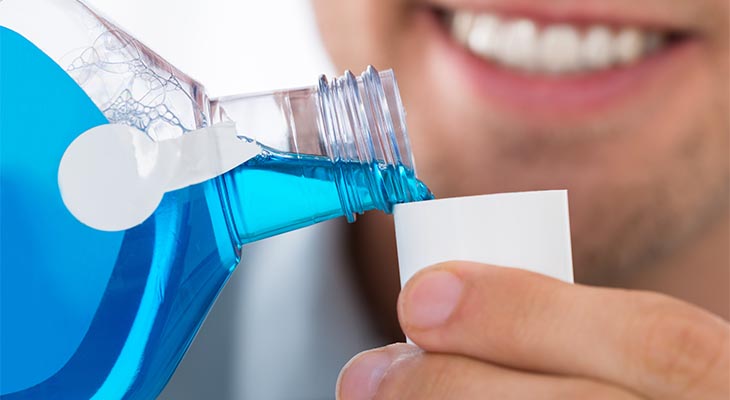
However, you need to use mouthwash properly to get the best results. Using it properly will reduce the risk of any problems related to mouthwash.
Mouthwash is a chemical solution. Improper use of it can create problems.
If you use too much mouthwash or keep it for a longer time than recommended, it may affect the soft tissue inside your mouth, which means you need to be careful.
This mostly happens in case of mouthwash that contains alcohol. If you experience any issues, you can switch to a mouthwash that doesn’t contain alcohol.
If you follow all the instructions, using mouthwash every day won’t be a bad thing at all. You can use it every day, ideally at a different time from brushing.
If you use floss on your teeth every day, I recommend using mouthwash after floss. It will make your mouth feel refreshed.
Flossing takes out food particles and things that cause a bad smell in our mouth. Just using water to wash mouth after flossing may mean this bad smell hangs around.
In this case, mouthwash can make your mouth and breath fresh. If you use both floss and mouthwash both, I always recommend flossing first, then rinsing with mouthwash, not the other way around.
How to Use Mouthwash Properly?

To use mouthwash properly, first pour the exact amount recommended into a small cup.
Most of the time, a small measuring cup comes with the mouthwash.
Don’t use more than the suggested amount. After that, pour all the mouthwash in the cup into your mouth.
Start swishing inside your mouth and continue for as long as the instructions state. After swishing it, split all the mouthwash in your mouth out. Don’t swallow it. Swallowing it may cause problems in your stomach.
After a fluoride mouthwash, the NHS advises not eating or drinking for 30 minutes. It also suggests using mouthwash at a different time from brushing, such as after lunch, so you don’t rinse away the fluoride from your toothpaste.
What Type of Mouthwash Should You Use?
Most of the time it’s thought that all the mouthwashes are the same, but that’s not the case. For different types of problems, different types of mouthwashes are invented and made available on market.
For example, you should be aware that a lot of mouthwashes contain alcohol. Some people find alcohol stings or dries the mouth. If alcohol isn’t a problem for you, you may use a mouthwash that contains alcohol, but don’t swallow it. It’s alcohol-containing mouthwash, not alcohol.
Alcohol-containing mouthwash can dry the mouth, and a dry mouth can make bad breath worse. If halitosis is your problem, an alcohol-free rinse may suit you better.
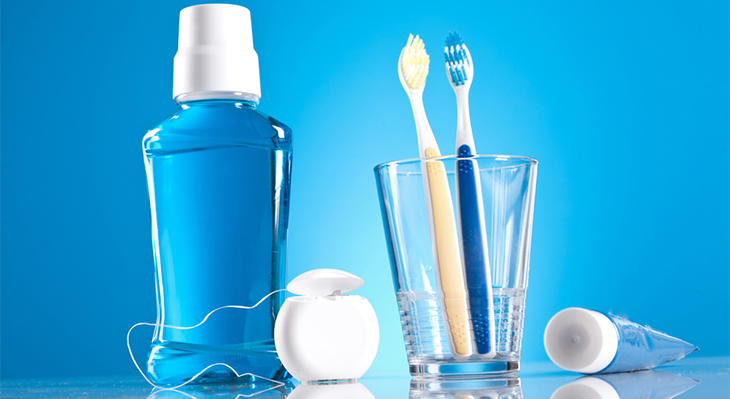
Antibacterial mouthwash works better to fight against halitosis. It targets the bacteria in your mouth that cause bad breath.
If halitosis or bad breath is not your problem, but you want to have a fresher breath than original, you need to use mouthwash that offers the opportunity to freshen your breath.
These types of mouthwash often contain ingredients such as chlorine dioxide or zinc. The ingredients present in this type of mouthwash work to neutralize odors.
Cavities form when mouth bacteria make acids that wear away enamel. Fluoride helps teeth resist that acid, so a fluoride mouthwash can add protection.
Use it at a different time from brushing, so it doesn’t wash away the fluoride left by your toothpaste.
Final Verdict
Using mouthwash every day is safe for most adults when you follow the label. Look for the ADA Seal of Acceptance, keep it away from young children, and use it alongside brushing and flossing, not instead of them.
If you have ongoing bad breath, dry mouth or sore gums, see your dentist. Mouthwash can mask problems that need treatment.
Sources
- Mouthwash (Mouthrinse), MouthHealthy, American Dental Association
- How to keep your teeth clean, NHS