Non Dairy Probiotics: A Dairy-Free Option If You're Lactose Intolerant
Nobody likes feeling bloated and uncomfortable after a good meal, especially on a daily basis.
If dairy is a problem for you, finding a probiotic without milk ingredients matters. Zenwise Labs makes one dairy-free option.
Whether you're lactose intolerant or follow a vegan or paleo diet, it helps to know that some probiotics contain milk ingredients. Always read the label.
Probiotics are not a proven treatment for lactose intolerance. NIDDK says most people manage it by limiting lactose, and lactase tablets or drops can help; check with your doctor before using them.
Researchers are actively studying the gut microbiome. Some studies have explored links between gut bacteria and conditions such as skin problems or obesity, but cause and effect isn't proven.
We're going to look at one non-dairy option among the many probiotics on the market today.
Can a Probiotic Help?
Regular stomach aches, bloating or changes in bowel habits are worth discussing with a doctor, since they can have many causes, including lactose intolerance, celiac disease and irritable bowel syndrome.
The evidence for a probiotic depends on the strain and the condition. NCCIH reports promising results for antibiotic-associated diarrhea, but mixed or weak evidence for irritable bowel syndrome and constipation.
Probiotics are generally considered safe for healthy people, but people with serious illnesses or weakened immune systems should talk with a doctor first. The FDA does not approve dietary supplements before they are sold.
Zenwise Lab’s Advanced Digestive Enzymes And Probiotics
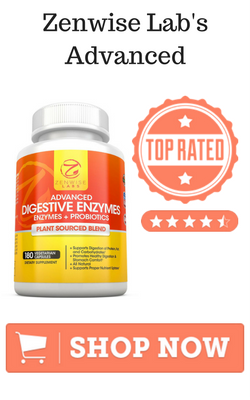
Zenwise Lab’s digestive supplement combines plant-based enzymes with an inulin prebiotic and a multi-strain probiotic. Check the current label for the strains and colony-forming units (CFU) per serving.
It is marketed for adults' daily digestive support. Ask a pediatrician before giving any supplement to a child.
The company says it supports digestion and occasional gas and bloating. It is not meant to treat diarrhea, constipation or any disease; see a doctor if those symptoms persist.
Notably, the enzyme blend includes lactase, the enzyme that breaks down lactose. That, rather than the probiotic, is the ingredient most relevant to lactose intolerance.
Advanced Enzyme System
The blend lists enzymes such as amylase, glucoamylase, lipase, protease, maltase, cellulase, bromelain and lactase, which help break down starches, fats, proteins and lactose.
Green Papaya
Papaya contains papain, an enzyme that breaks down proteins.
Apple Pectin
Apple pectin is a type of soluble fiber.
Inulin Prebiotic and Multi-Strain Probiotic
Inulin is a fiber that feeds gut bacteria, paired here with several probiotic strains. Claims that this protects against infection or unwanted bacteria aren't established.
It's not all peaches and cream. Some people get mild gas or bloating when they start a probiotic or fiber supplement.
Stop taking it if symptoms persist, and talk with your doctor before starting any supplement if you are pregnant, have a health condition or take medication.
Conclusion
If you want a probiotic without dairy ingredients, this vegan option is one to consider. For lactose intolerance itself, lactase products and diet changes have the clearest support.
Don't take ongoing digestive issues lightly. See a doctor to find the cause, especially if you have weight loss, blood in your stool or symptoms that wake you at night.
With a diagnosis, you can choose the approach that fits you best.
Sources
- Probiotics: Usefulness and Safety, NCCIH (NIH)
- Treatment for Lactose Intolerance, NIDDK (NIH)