4 Secret Signs That You Need To Change Your Mattress
Contents
Most people know the importance of sleeping on the right mattress, but how do you know the one you have isn’t doing a good job? There can be obvious signs such as a stiff neck or back in the morning, or interrupted sleeping throughout the night, but not all symptoms are so apparent.
Many people put off replacing a mattress and ignore the early signs that it's wearing out. Then, when they finally shop, they rush the decision and end up with a mattress that doesn't suit them.
Keep in mind that these signs can also have causes that have nothing to do with your mattress. If a symptom persists, check with a doctor.
To make sure that you’re not compromising on your sleep and health by sleeping on the wrong mattress, here are four signs that might signal the need for a new mattress.

Runny and Stuffy Nose
If you wake up with a runny or stuffy nose on most days, you may have a dust mite allergy, and your mattress may have dust mites in it. Dust mites are microscopic relatives of spiders that feed on shed skin flakes. People react to the mites' bodies and waste, not the dust itself.
Dust mites live in nearly every home. The Asthma and Allergy Foundation of America recommends zippered allergen-barrier covers for mattresses and pillows, washing bedding weekly in water that's at least 130°F, and keeping indoor humidity between 30% and 50%. An allergist can confirm whether dust mites are the cause.
Older mattresses can build up more allergens over the years. It helps to note when you buy a mattress so you know how old it is.
Many mattresses last around 7 to 10 years, and AAFA suggests replacing mattresses about every 10 years. A long warranty usually covers manufacturing defects, not the gradual loss of comfort and support.
Lifeless Skin
Many factors can contribute to dull or tired-looking skin, and poor sleep may be one of them.
Research has linked poor sleep with changes in stress hormones and inflammation, which may affect how your skin looks. An uncomfortable mattress is just one possible reason for poor sleep, and it doesn't directly cause skin conditions.
Signs like dark circles, puffy eyes or uneven skin tone can hint that you're not sleeping well, though they have other causes too. Daytime sleepiness is a clearer signal: NHLBI notes that sleep deficiency can make it harder to focus and react.
If your mattress is more than a decade old and you're sleeping poorly, a replacement is worth considering. For skin problems that last, see a dermatologist.
Staying Awake in Bed
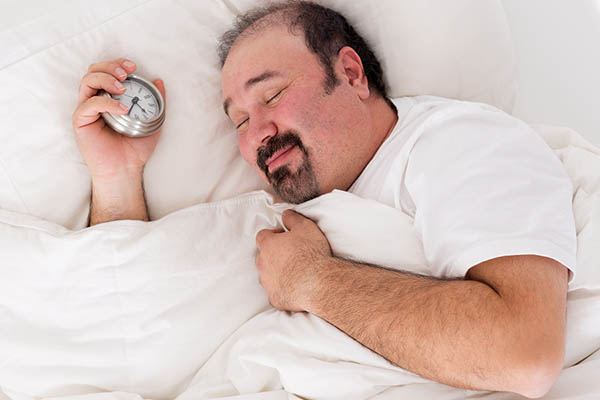
After a good night's sleep, you should wake up feeling rested. If you toss and turn because you can't get comfortable, your mattress may be too firm, too soft or worn out.
Keep in mind that regularly lying awake for long stretches, waking up tired, or feeling very drowsy during the day can also be signs of insomnia, sleep apnea or another health problem. Talk with a doctor if this happens often, especially if you snore loudly.
If discomfort is the issue, many people find a medium-firm mattress a good middle ground. The right firmness depends on your body, sleeping position and preference.
Sleeping Hot
If you regularly wake up hot and sweaty, your mattress may be part of the problem. Some materials, especially dense memory foam, hold more body heat than others.
A room that's too warm can disrupt sleep, and poor sleep can affect your mood and energy, including your interest in sex. Frequent night sweats or a lasting drop in libido can have medical causes, so mention them to your doctor.
Breathable mattresses, toppers, pillows and sheets can help hot sleepers stay more comfortable.
Final Key Points...
The good news is that there are plenty of comfortable, durable mattresses on the market. When you observe any of the symptoms earlier mentioned and have finally decided to change your old bed for a clean, fresh, comfortable one, it’s time that you head over to Sleep Sherpa and let them guide you in finding the mattress you need.
The site has mattress reviews and buying tips to help you compare options.
Sources
- Dust Mite Allergy: How to Identify and Treat, Asthma and Allergy Foundation of America
- Sleep Deprivation and Deficiency, NHLBI (NIH)