Everything You Need To Know About The Paleo Food Pyramid
Contents
The concept of eating paleo might seem alien to some. If you’re curious but confused, not to worry!
In this guide, we hope to clear up any questions you may have about all things paleo. That includes what foods are permitted within the paleo diet and what foods you should be avoiding.
This is where we’ll introduce you to the paleo food pyramid, making things much simpler to understand. We’ll give you a quick overview of what foods the diet is based on.
The paleo food pyramid is an extremely handy tool to have as it gives you all the information you need in an easy to understand format.
Let’s get started. We’re going to look at the ins and outs of this popular diet and see how the paleo pyramid differs from other food guides.
What Is The Paleo Diet?
The paleo diet is a modern eating plan based on the idea of eating like humans did before farming began.
Nobody knows exactly what Paleolithic people ate, and diets varied by region, from the tropics to the Arctic. That’s one reason some experts are skeptical of eating strictly paleo.
According to Cleveland Clinic, the diet includes fruits, vegetables, lean meats, fish, eggs, nuts and seeds. It leaves out grains, legumes, dairy, added sugar and salt, highly processed foods and starchy vegetables like potatoes.
The rule of thumb: if hunter-gatherers could have hunted or foraged for it, you can eat it.
What Foods Are On The Paleo Pyramid?
The paleo food pyramid works like the old USDA food pyramid many of us studied growing up, showing the main food groups at the bottom and the foods to eat less of at the top. (The USDA has since replaced its pyramid with MyPlate.)
Now, contrary to popular belief, following a paleo diet is actually pretty simple, the main confusion mostly stemming from which foods are allowed.
With the paleo food pyramid, that confusion is practically eliminated. The food categories within the pyramid are as follows, beginning with the best foods to eat at the bottom of the pyramid, working up to the foods we should eat far less of.
Vegetables
Fill up on plenty of these for the obvious reasons. Vegetables were easily found and foraged for.
Including variety is key here as each different type of vegetable brings its own nutritional values.
Pastured Meats, Wild-caught Fish & Eggs
Animal foods were a large part of many hunter-gatherer diets. Choose lean cuts more often, since fatty meats can raise cholesterol.
Fruits
Wild figs, grapes and a variety of dates would have been available and are as natural as they come.
They bring with them natural sugars for energy, a sweet taste, and a whole host of beneficial antioxidants.
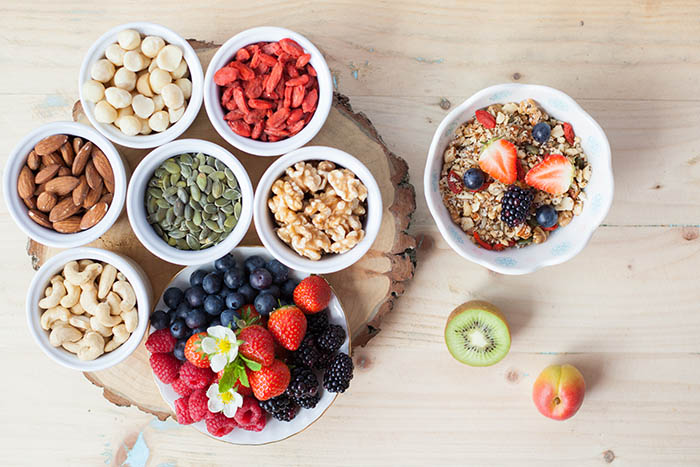
Nuts, Seeds, Healthy Fats, & Oils
These are very nutritious, but they’re high in fat and calories, which is why they sit at the top of the pyramid.
They are permitted, however, don’t gorge on them.
What Are The Benefits Of Adopting This Diet?
Following the paleo food pyramid means eating mostly whole foods, with plenty of fruits, vegetables, nuts and seeds.
Red meat is a good source of iron.
Protein-rich meals can help you feel full for longer.
Cutting processed, calorie-dense foods may support weight loss. Some research also suggests the diet may lower blood pressure and cholesterol, but long-term studies are limited.
Aside from all the benefits mentioned, each individual fruit, lettuce, nut etc will do different things for your health, so pick and choose depending on your needs.
Who Is This Diet Designed For?
This diet may appeal to anyone looking to cut out processed foods and junk food.
However, this wouldn’t be a very useful guide if we didn’t mention the downsides.
Cutting out grains and dairy can leave gaps in fiber, calcium and other nutrients. The diet is also restrictive, so many people find it hard to stick with.
Athletes who train hard may need more carbohydrates than a strict paleo plan provides.
It may not suit people with kidney disease or those on protein-restricted diets. Talk with your doctor or a registered dietitian before you start.
Conclusion
The paleo food pyramid can be a simple guide for building meals around whole foods.
If you try it, plan for fiber and calcium, choose lean proteins, and check with a professional if you have a health condition.
Sources
- Paleo Diet 101: What You Can and Can’t Eat, Cleveland Clinic
- Diet Review: Paleo Diet for Weight Loss, Harvard T.H. Chan School of Public Health