
Best Tea For Health Related Problems

Contents
- The Best Teas For Constipation
- Different Types Of Teas Used To Treat Constipation
- Top 5 Herbal Teas For Constipation
- Total Tea Gentle Detox Tea
- 14 Day Detox Tea Teatox By V Tea
- NOW Foods Senna Tea
- VTea Advanced 14 Day Detox Tea Kit
- Traditional Medicinals Organic Smooth Move Tea
- The Next Best 5 Teas For Constipation
- Organic Detox Tea – 14 Day Weight Loss Cleanse
- Dr. Miller’s Holy Tea
- Teatox Life Skinny Teatox Mint
- 30 Day Detox Tea By Teami Blends
- Probiotic Detox Tea For Weight Loss
- Buying Guide to the Best Tea for Constipation
- How to Prevent Constipation in the Future
- Final Thoughts
- Use Tea For Hair Growth and Stop Hair Loss Today!
- What Makes A Good Tea For Hair Growth
- Uncle Lee’s Organic Bamboo Tea
- Final Thoughts
- Feeling Depressed? Best Teas for Positivity!
- What Makes A Good Tea For Depression
- Alvita St John’s Wort Tea
- Final Thoughts
- Best Tea For Kombucha
- Criteria
- Go Organic
- Start With Tea Bags
- Keep It Simple
- Twinings English Breakfast
- Lipton Green Tea
- Stash Jasmine Tea
- Choice Organic Oolong Tea
- Final Thoughts
- Chamomile Tea For Infants & Babies: What Parents Should Know
- Criteria
- Yogi Chamomile Tea
- Final Thoughts
- Pain Relief Tea For Menstrual Cramps
- What Causes Menstrual Cramps
- Criteria
- Yogi Teas Woman’s Moon Cycle
- Traditional Medicinals Healthy Cycle Tea
- Earth Mama Angel Baby Organic Monthly Comfort Tea
- Other Remedies To Reduce Menstrual Pain
- Final Thoughts
- BestTea For Congestion:Clear Your Throat & Nose
- Criteria
- Sinus Soother
- Final Thoughts
- Sources

There’s a lot of focus these days on maintaining a healthy lifestyle, but what happens when your body stops working quite so well?
There are so many different teas used to relieve symptoms for different health problems that it’s hard to know which one to use.
This article looks at teas people use for several common health problems, what the evidence says, and when to see a doctor instead.
The Best Teas For Constipation
Constipation is one of the most embarrassing problems that almost everyone has dealt with at one time or another.
Occasionally the symptom of a larger problem, constipation could be caused by various issues, such as a low-fiber diet, not drinking enough fluids, too little activity, certain medicines or other medical conditions.
Many people treat their condition by staying hydrated, eating better, and drinking herbal teas.
Different Types Of Teas Used To Treat Constipation
Many different types of teas that contain different types of herbs in various combinations are used to treat constipation.
Some are stool softeners, some force bowel movements, and some are useful herbs for the digestive tract overall.
Knowing how these herbs work, and their risks, will help you choose the best tea for constipation.
Senna Tea
Senna is an ingredient in many herbal teas used as a laxative.
It’s an effective tea for constipation because it stimulates the intestinal tract, causing contractions to force a bowel movement.
While senna products can use both the fruit and leaf part of the plant, the leaf has a stronger effect. The plant produces such a strong laxative that you need to be careful when using it.
Closely follow the directions on the box. Taking too much can cause cramps, abdominal pain and diarrhea.
If you’re pregnant or breastfeeding, talk to your doctor before using senna.
Use senna only as a short-term solution. MedlinePlus advises not taking it for more than 1 week without talking to your doctor, because continued use can make you dependent on laxatives.
Cascara Tea
Like senna tea, cascara tea is also one of the strongest laxative teas available on the market. You should only use it sparingly because of its strong effect.
The herb in cascara tea comes from the bark of the California buckthorn tree and has traditionally been used for other complaints too, though there’s little evidence for those uses.
Also like senna tea, the herbs in cascara tea contract the muscles in the intestines, forcing a bowel movement.
Cascara is such an aggressive laxative that there are certain risks with consuming too much of it.
Using it for more than a short time can cause severe cramps, dehydration, and it can also make your condition worse.
Pregnant women should never use this tea to treat their constipation. Like all other powerful laxatives, use cascara tea when all other treatments haven’t worked for you.
Dandelion Tea
Dandelion tea, made of any combination of the blossoms, leaves, or roots of a dandelion plant, is mostly known as dandelion root.
It’s a common ingredient in weight loss blends marketed to help detox, though there’s no convincing evidence that detox products remove toxins from the body.
It’s often used to flush water out of your system, but it can double up as a mild laxative.
Evidence that dandelion relieves constipation is limited, and claims that it boosts immunity are unproven. Because it can act as a diuretic, check with your doctor if you take water pills or other medicines.
Peppermint Tea
Peppermint tea is a non-caffeinated herbal tea that is gentle enough for regular use.
Unlike senna and cascara, that contract the muscles in the intestinal tract to force a bowel movement, the menthol found in peppermint tea leaves relax the muscles of the digestive tract.
It also helps gas pass through the stomach and the gastrointestinal tract.
Many people find it soothing for an upset stomach, and enteric-coated peppermint oil capsules have good evidence for IBS symptoms. As a tea, it’s a gentle option for good digestive health, though it’s not a strong treatment for constipation.
Peppermint can trigger heartburn in some people, and those allergic to menthol shouldn’t drink it.
According to the NCCIH, peppermint in the amounts found in food is likely safe during pregnancy. Little is known about larger, medicinal amounts.
Green Tea
Unlike most herbal teas, green tea has caffeine in it, which can help produce contractions in the colon, producing a bowel movement.
Using green tea for constipation relies mostly on its caffeine and the fluid it adds. There’s little direct research on it.
Green tea also contains theanine, a compound studied for relaxation.
Sipping on some green tea is a gentle habit, but it’s unlikely to fix ongoing constipation on its own.
Top 5 Herbal Teas For Constipation
Total Tea Gentle Detox Tea
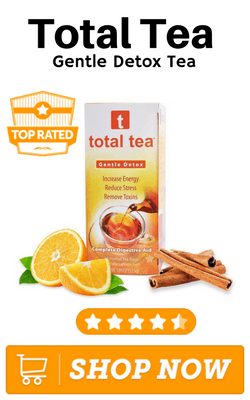
This tea is a general detox tea, containing many herbs that relieve constipation.
Made from a combination of herbs including cinnamon, senna, chamomile and peppermint, Total Tea Gentle Detox works mainly as a laxative because of the senna.
Any weight you lose is mostly water and stool, not fat. The NCCIH says there’s no convincing research that detox products remove toxins or help with lasting weight loss.
The maker says it’s caffeine-free.
Those following a strict diet will like this tea because it’s gluten-free, kosher, and vegan.
Senna can cause cramps in some people. On the plus side, the many different herbs in the tea give it a pleasant taste.
Since the product contains senna, don’t use it for longer than the label recommends.
14 Day Detox Tea Teatox By V Tea
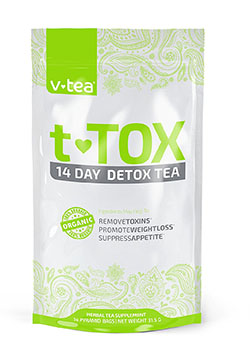
This tea is also a general detox tea, but it’ll also help with your constipation.
It contains peppermint tea and dandelion root, which will help calm and relax your digestive tract.
It was sold without senna, so its effect should be milder. Check the current ingredient list, since formulas change.
The tea comes prepackaged in individual pyramid sachet brewing bags, so the tea leaves won’t leak out into the hot water when brewing.
The maker tells you to drink lots of extra water during the cleanse. Fluids can help constipation, but drinking very large amounts of water or tea while cutting food can cause dangerous electrolyte imbalances.
NOW Foods Senna Tea
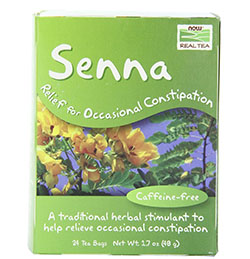
This tea is a product that’s made just for constipation relief.
It’s a caffeine-free pure senna tea, which is an herbal treatment for constipation.
Since the tea is made just of senna, it can’t be used to treat long-term constipation because your body will learn to rely on it to produce a bowel movement.
It’s sometimes marketed for detox, but it’s simply a stimulant laxative.
People who have used it say that it has a pleasant taste, which makes it easy to use.
VTea Advanced 14 Day Detox Tea Kit
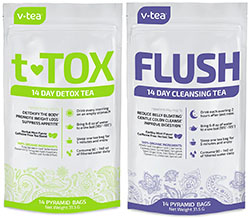
This tea is a two-part detox marketed for constipation and cleansing.
The maker says the morning tea supports the liver and the evening tea supports digestion. Those claims aren’t backed by good evidence.
Since it has dandelion root and peppermint tea, this detox has a good taste, unlike most detoxes that are bitter.
The instructions call for a lot of water. Staying hydrated helps constipation, but don’t force down extreme amounts.
People who have used it say that it helps with their constipation issues, but it does not upset their stomach.
Traditional Medicinals Organic Smooth Move Tea
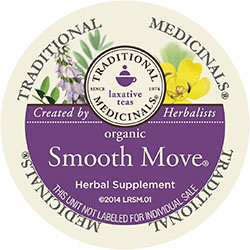
This senna tea helps relieve your body of occasional constipation.
Those following a strict diet will like this tea because it’s organic and kosher.
The senna in it typically produces a bowel movement within 6 to 12 hours.
It has a citrus and spicy flavor, which can be a little intense for people who aren’t used to it or do not like bold flavors in their tea.
The Next Best 5 Teas For Constipation
Organic Detox Tea – 14 Day Weight Loss Cleanse
This 100% organic detox tea contains green tea and senna.
It’s marketed for numerous health benefits, including better digestion, though detox claims lack evidence.
Because it contains senna, it acts as a laxative.
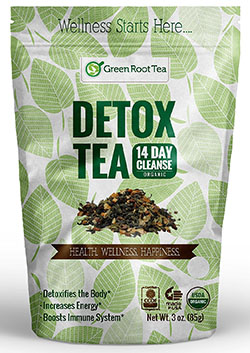
Dr. Miller’s Holy Tea
This tea is a gentle, senna-free, and caffeine-free treatment for constipation.
The maker says it’s gentle, but don’t use for children without a pediatrician’s advice.
If you’re constipated after surgery, ask your surgeon before using any laxative.
There’s no bitter taste, like with other constipation treatments.
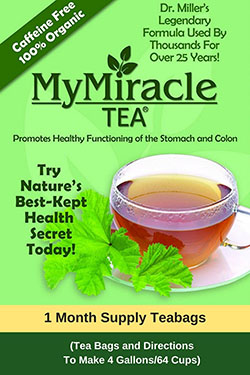
Teatox Life Skinny Teatox Mint
This detox tea contains a unique blend of dandelion root, peppermint tea, and senna leaves.
It’s sold as a 14 or 28-day colon cleanse. Because it contains senna, don’t use it daily for that long without your doctor’s advice.
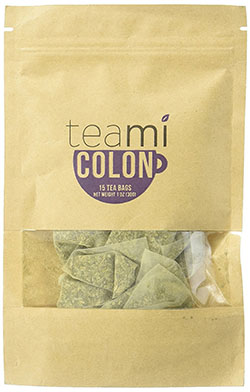
30 Day Detox Tea By Teami Blends
Be cautious with this one. In 2020 the FTC charged Teami with making unsupported weight-loss claims for its 30 Day Detox tea, and the company settled.
It’s an herbal blend marketed for digestion, but don’t expect it to remove toxins or burn fat.
Probiotic Detox Tea For Weight Loss
Cleansing Green Tea Herbal Blend.
This tea blend is marketed to support digestion. Stress and diet changes can both play a role in constipation.
It’s labeled organic.
Buying Guide to the Best Tea for Constipation
There are some important things to look for when choosing a tea to treat your constipation.
I’ve listed some things to consider when making your decision.
What Causes Constipation?
There are an awful lot of things that can lead to constipation but it’s important to try and figure out what might be the root cause for you.
If you’ve recently made any changes to your diet, lifestyle or activities, that could be a contributing factor.
As well as a change in diet, having too much or too little of certain things can cause it. Too much dairy, for example, or too little fiber or water, can affect you.
Eating disorders can also wreak havoc with your digestive system, causing constipation.
Taking certain medications or overusing laxatives might set it off.
A lack of physical activity could also be the problem. There’s a saying, ‘there’s no such thing as a constipated runner’.
Sorry ladies, but as if pregnancy didn’t already cause enough changes in the body, that too can lead to constipation. Bear in mind that you should be careful about consuming certain teas if this is the case for you.
How Long Will You Be Using The Tea?
You need to decide on how long you’re willing to drink the tea.
Some teas that are joint cleanses need to be used for a certain amount of time to get the full effect of the treatment.
These teas treat constipation as a side effect of their cleansing properties.
If you aren’t looking to do a full cleanse, you should choose a tea that treats your constipation only.
Also, senna and cascara teas shouldn’t be used for long, usually no more than a week without a doctor’s advice, because the body will learn to depend on them to produce a bowel movement.
If you think that you’ll need to rely on teas for longer than this period of time, then you should see a doctor for alternative treatments.
If You Have Allergies/Follow a Specific Diet
Of course, you can’t use the tea if you’re allergicto it!
As with all things you put into your body, you should check the ingredients to make sure you aren’t allergic to any of the herbs listed in the tea.
Most teas are suitable for vegans (unless sweetened with honey) and many have organic options.
How Much Tea Should You Drink to Relieve Constipation?
As with anything, if you go overboard with tea drinking then it will, at best, have absolutely no increased effects, and at worst, have negative impacts on you.
The best course of action when using tea to help with constipation is to follow the instructions on the packet.
Teas that are specifically designed for constipation will be intended to either be drunk once or twice a day, perhaps in the morning or evening.
If it’s not specifically designed, it’s always a good idea to stick to one cup.
You shouldn’t rely on a tea to relieve your constipation entirely, but it can complement a healthy diet and exercise routine very effectively.
How to Prevent Constipation in the Future
Constipation isn’t something that anyone should have to suffer.
Rather than treating the problem when it’s already making you feel uncomfortable, there are plenty of ways to decrease your chances of having a problem in the future.
Although some of them might be hard to stick to to start with, they’re far preferable to the pain of constipation.
- Eat plenty of fiber from fruits, vegetables, legumes and whole grains. The NIDDK says adults need 22 to 34 grams of fiber a day, depending on age and sex.
- Drink plenty of water and other fluids, especially as you add fiber.
- Don’t rely on coffee or tea in place of water.
- If dairy seems to bind you up, try cutting back.
- Stay active. Regular physical activity may help.
- Go to the bathroom as soon as you feel the urge, and try to go at the same time each day.
Final Thoughts
As you shop for the best herbal tea for constipation, keep in mind that there are many different types and combinations on the market today.
Some treat a variety of conditions, and some just treat constipation.
Always read your labels and make sure that you don’t overuse the product so that you don’t make your condition worse.
If your constipation isn’t getting better, see your doctor. Get care right away if you have blood in your stool, severe belly pain or unexplained weight loss.
However, if you do decide to use an herbal tea for constipation, I hope this guide will help you choose the right one for your needs.
Use Tea For Hair Growth and Stop Hair Loss Today!
Hair loss. It can happen to anyone, male or female, at any age.
Roughly 50% of women notice some hair loss at some point, by some estimates, and it becomes more common with age in both men and women.
It can cause embarrassment, decreased confidence and mean that you have to wear a hat or scarf every time you leave the house.
Of course, there are many causes of hair loss. There are also a variety of medical treatments available to help prevent hair loss and promote hair growth.
Some, such as minoxidil, are sold over the counter, while others need a doctor’s prescription.
Drinking tea or making diet changes, won’t reverse hereditary hair loss. A balanced diet supports healthy hair, but there’s little evidence that any tea regrows it.
This section covers the herbs most often sold for hair, and what to realistically expect.
What Makes A Good Tea For Hair Growth
Several herbs are often promoted for hair growth.
Whether you choose to drink a tea with a single ingredient or a combination of effective ingredients is up to you.
Keep the following ingredients in mind when choosing a tea for hair loss:
Bamboo
Bamboo contains natural silica. It’s often promoted for hair and nails, but there’s little human research showing it helps hair grow.
It’s also a very sustainable plant which makes it good for the environment as well.
Chamomile
Chamomile tea is best when applied directly to your hair, like a hair mask.
For this reason, it may not be the best tea to drink, but it’s a useful ingredient nonetheless.
Sage
Sage can either be drunk or applied to your scalp. It’s a traditional home remedy for thinning hair, though evidence is lacking.
Rosemary
Rosemary oil applied to the scalp is being studied for some types of hair loss.
Drinking rosemary tea hasn’t been shown to help.
Your tea also needs to be easy to make and taste delicious.
That means you’re more likely to enjoy it regularly.
Try using tea that comes in tea bags rather than loose-leaf as it’s much easier to make and you won’t waste any tea (or money)!
Uncle Lee’s Organic Bamboo Tea
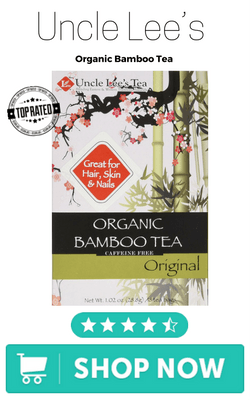
Uncle Lee’s Organic Bamboo Tea is made from bamboo leaves, which contain natural silica.
The brand highlights the silica, but there’s no good evidence that drinking it grows or strengthens hair.
The tea is tasty and is made the same way as any regular tea bag.
All you have to do is boil the kettle and pour the hot water over a tea bag.
Let the tea steep for a little while before drinking.
The tea bags make the tea easy to serve, each tea bag makes one cup of tea which means there’s no risk of making the tea too strong or too weak.
The tea bags are oxygen bleached.
Pros & Cons
Uncle Lee’s Organic Bamboo Tea is labeled organic and is caffeine-free.
The tea bags make the tea easy to make, there’s no need to fuss around with measuring out tea leaves and using an infuser.
If you enjoy the taste, it’s a pleasant tea, but it isn’t a hair loss treatment.
Final Thoughts
If you want a tea for hair loss, Uncle Lee’s Organic Bamboo Tea is a tasty, organic option, but don’t expect it to regrow hair.
Sudden, patchy or heavy hair loss can have medical causes, such as thyroid problems or iron deficiency. See a doctor or dermatologist for a diagnosis and proven treatments.
Feeling Depressed? Best Teas for Positivity!
Depression, or a variation of it, can strike anyone at anytime.
If you find yourself feeling blue or anxious it can become difficult to go about your daily tasks.
Depression requires medical care and should never be ignored or taken lightly. Self-care can support treatment, but it doesn’t replace it.
The antidepressants that you get on prescription can be very effective, but they can also have unwanted side effects, be it nausea, weight gain, insomnia or irritability.
Herbal teas contain antioxidants, but these don’t work like antidepressants, and no tea is a substitute for treatment.
Teas taste delicious and are easy to buy and make. However, with so many of them on the market it can be difficult to know which is the best tea for depression.
This section looks at the herbs most often used for mood, and what you should know before trying them.
What Makes A Good Tea For Depression
A delicious cup of hot tea can do wonders for your mood, even more so when you enjoy a cup with a group of friends or a good book or film.
The herbs below differ a lot in evidence and safety.
St John’s Wort
Studies suggest this yellow flowering plant may help mild to moderate depression, working about as well as standard antidepressants in some trials. It isn’t fast-acting, and it’s unclear whether it helps severe depression.
It also has serious drug interactions. According to the NCCIH, it can weaken birth control pills, warfarin and some heart, HIV, cancer and seizure drugs. Combining it with antidepressants can cause dangerous serotonin-related side effects.
Ginkgo Biloba
People have been using this herb for many years to help improve cognitive function.
However, if you choose to drink a tea that contains Ginkgo Biloba, be sure to check with your doctor first as it can interfere with some medications.
Chamomile
If your low mood comes with anxiety, chamomile may help a little. Preliminary studies suggest a chamomile supplement may ease generalized anxiety.
Many cultures have used it for centuries as a calming drink. People allergic to ragweed or daisies may react to it.
Whatever tea, or combination of teas, you choose, make sure it’s easy to make.
You’re more likely to drink a drink that’s quick and easy to brew. For this reason, opt for tea bags where possible.
Try and find a tea with an amazing flavor to help entice you to drink it on a regular basis.
Alvita St John’s Wort Tea
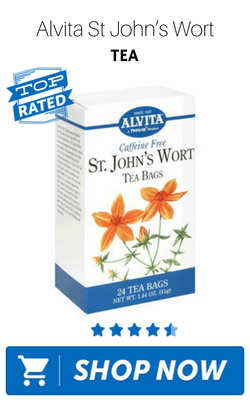
Alvita St John’s Wort Tea is a caffeine-free St. John’s wort tea.
Tea strength varies, so it’s hard to know how much St. John’s wort you get in each cup.
The tea is mildly flavored with red raspberry to make it even tastier.
Each tea bag makes one cup of tea.
Being caffeine-free is a plus if caffeine makes you jittery.
Talk to your doctor before trying it, especially if you take any prescription medicine or hormonal birth control.
Pros & Cons
The tea bag style makes brewing your Alvita St John’s Wort Tea a breeze.
Simply put the kettle on, pour the boiling water over the tea bag and let it steep for a few minutes.
Remove the tea bag, giving it a good squeeze to ensure you get all the flavor, and sip away.
Using tea bags does restrict how strong you can make the tea. If you prefer your tea extra strong or extra weak, the tea bags may not be ideal.
Never combine it with a prescription antidepressant unless your doctor approves. If you still feel low after a couple of weeks, see your doctor. If you have thoughts of harming yourself, call or text 988 in the U.S. right away.
Final Thoughts
Depression can be a serious problem, one that’s sometimes only resolved through extensive medication and ongoing counselling.
For mild low mood, a St. John’s wort tea like Alvita’s may be worth discussing with your doctor. It can cause side effects such as trouble sleeping, dizziness and sun sensitivity, and it may be unsafe in pregnancy.
It isn’t a quick fix or a replacement for professional care.
Best Tea For Kombucha
Kombucha is an absolute dream.
If you haven’t tried it yet, get yourself to a wholefood store or that slightly weird little hippy place round the corner that smells like patchouli.
I can almost guarantee that they have it, and that you’ll love it.
Komucha has long had a reputation for being a weird, gross drink that hipsters pretend to enjoy and yoga-bunnies genuinely love.
Don’t let that put you off, as it’s so much more than that. It’s great for your body and mind alike.
Fans say it’s good for digestion, though there’s little human research behind kombucha’s health claims.
If you’re yet to foray into making some yourself, fear not. I’ve found the best tea for Kombucha so you can make it at home.
Criteria
Basically, Kombucha is made with tea and sugar, along with an active ingredient (SCOBY) which ferments it.
It leaves a fizziness and unique flavour that’s so hard to describe but so delicious to drink.
Many people enjoy it as an alternative to soda. It’s important to find the right kind of tea so your brew turns out well.
Home brewing does carry some risk. The CDC has reported severe illness possibly linked to homemade kombucha, and mold contamination is possible.
Use clean equipment, brew in glass rather than ceramic or lead crystal, and throw out any batch with visible mold.
Anyway. When choosing teas to go into your lovely Kombucha, there are a few things to keep an eye out for and to be aware of.
Go Organic
Use an organic tea, for the love of god!
Organic tea avoids pesticide residues, if that matters to you.
Look for something organic and GMO-free so that you know exactly what you’re drinking.
Start With Tea Bags
I love loose leaf teas, but they’re not really necessary when making this drink. While I’d normally argue the case for loose leaf over tea bags, stick to the bags and make your life a whole heap easier.
You still get all the flavor, just none of the faff of straining!
Keep It Simple
Black tea is a good option to start with. English Breakfast tea is always going to be pretty easy to find, and has a nice enough flavor that won’t overpower you.
Stick to a black tea with no added oils, however, as otherwise it won’t work as well with the SCOBY.
If you prefer to try something a bit more daring, opt for an Oolong. You’ll notice a lovely, fresh flavor.
My favorite combination is black and green tea (again, no oils in either of these, please!). It has a delicious, gentle flavor to float you along your Kombucha experience.
Twinings English Breakfast
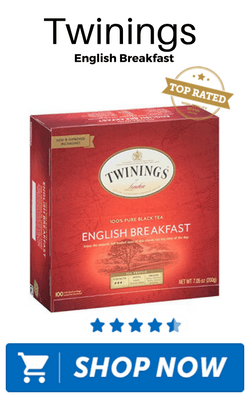
This black, English Breakfast tea from Twinings is a great choice if you’re new to the Kombucha game.
It has a lovely flavor to it and has no extra/ added oils, so will work really well for this.
A large box gives you enough to make plenty of Kombucha, as well as to enjoy on its own or with a dash of milk.
This tea is one of my favorites to drink at any time of day. Be warned though, it’s naturally caffeinated so isn’t the best option for a bedtime drink.
This is a good tea for Kombucha if you’re a beginner, as it’s an easy flavor to mix and affordable to experiment with.
Lipton Green Tea
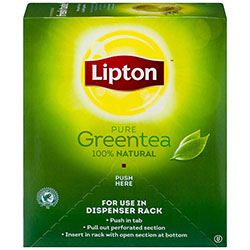
Using a green tea to make Kombucha with is a great choice and yields a lovely, fresh flavor if you’re after a lighter, more gentle taste.
For me, this is the best product out there. It tastes lovely on its own and will work really well during the ‘brewing’ process.
This green tea from Lipton is a good choice. It’s affordable, so you can experiment, and it has no added flavors.
If sustainability matters to you, check the box for a Rainforest Alliance seal.
It’s a great green tea for Kombucha and can easily be blended with black tea for a slightly different taste.
The only downside is that it may be slightly more bitter than what you’re used to.
Green tea comes in many forms and our taste buds are subjective, so, if you’ve not tried this particular brand before, maybe start off with one of their smaller packs and see how you go.
Stash Jasmine Tea
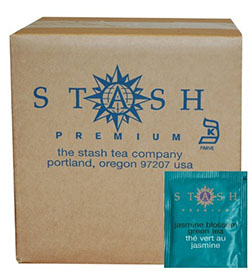
This is another green tea, but I couldn’t miss it out!
I adore jasmine tea for many reasons, the main being that it takes me straight back to finishing school, heading home and enjoying big, crumbly cookies with a hot cup of jasmine tea.
That said, we’re all on a mission of health, so let’s leave the cookies out of it.
For now, at least.
This is a lovely product with a fragrant, light jasmine flavor.
This is a great tea to use when making Kombucha and mixes really nicely with other, delicate teas, too.
If you want a stronger flavor, mix with a black tea like the English Breakfast I’ve suggested.
The only downside, for me, is that it contains caffeine. It’s not really a big deal, but I prefer caffeine-free teas to wind down with at the end of the day.
If you’re only using this for Kombucha, however, worry not.
Choice Organic Oolong Tea
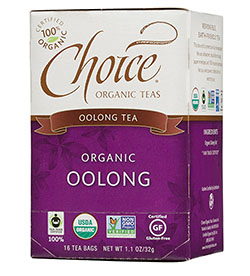
This little Oolong is a total dream, with fresh-tasting tea in convenient bags.
I’d definitely recommend going for teabags with oolong when making Kombucha – so much less hassle than using loose leaf tea.
I love this Oolong from Choice because it’s an organic tea.
If there’s anything I love more than tea and yoga, it’s promoting sustainability and looking after this wonderful little world. Tastes good; does good.
It’s labeled organic and non-GMO.
If you’ve never tasted Oolong before, this is a great way to get you into it. The flavor is a little woody, a little smokey and a whole lot delicious.
The downside? Its woody, smoky flavor won’t suit everyone.
Final Thoughts
So, there we have it. A couple of lovely teas to test out while you brew up some delicious Kombucha.
I’ve chosen what I think is the best tea for Kombucha, and I hope you’ll agree.
Kombucha is a tasty fermented drink, but it isn’t a cure-all. Use plain tea and keep everything clean.
If you’re pregnant, have a weakened immune system or have a health condition, ask your doctor before drinking homemade kombucha.
Go get cultured – see what I did there?
Chamomile Tea For Infants & Babies: What Parents Should Know
Chamomile tea is a favorite bedtime drink for many adults. People use it for a nervous tummy or to unwind, though research on it is limited.
Chamomile has a very long history, having been used by the ancient Egyptians.
They were definitely onto something! I’ve been drinking it for years and find it very relaxing. Herbal teas just make me feel looked after, wholesome and happy.
Giving it to babies is a different matter. Pediatricians recommend breast milk or formula as a baby’s nourishment for about the first 6 months, and they don’t recommend even water before then.
Chamomile on its own hasn’t been shown to help colic, and it can cause allergic reactions, especially in people allergic to ragweed or daisies. Always ask your pediatrician before giving any herbal tea to an infant or toddler.
For adults, and for older children whose doctor says it’s okay, here’s a chamomile tea I like, from Yogi.
I’ll run through some general buying advice first.
Criteria
There are a few things to consider when buying a herbal tea for the first time. While these are my personal preferences, I hope they help you when choosing which tea to buy.
As with all things, I like organic, and don’t see the point in drinking a herbal tea that’s loaded with extra nasties.
I want to make sure I’m not accidentally putting chemicals into my body when I think I’m doing it a favor.
I also like to check that the product contains no GMOs, for the same reason.
If you’re buying tea for an older child, this is extra important. Make sure you read the labels and do some research.
It’s also important to decide if you’re going for teabags or loose leaf tea before you buy. I tend to mix between the two, as I’m always enticed by lots of new, different teas I find on my travels.
Teabags are super easy and you can easily take some in your bag to work and prepare a cup of tea in a matter of minutes.
If you’re interested in dabbling with loose leaf tea, you do need to buy yourself a little tea strainer first (super cheap!).
It takes a little longer to prepare loose leaf tea but, to me, is always worth it.
There’s something very sacred and soulful about preparing tea with leaves and going through rituals that date back to our ancestors. That said, it can be a bit of a nightmare if you’re in a rush!
Find a flavor that suits you. Sounds pretty obvious, but it’s worth considering what type of flavor you like, as chamomile tea can have many different tastes.
Think about how you’ve drunk it in the past, or what teas you normally drink if you’re never tried it before.
Do you like strong, rich flavors or subtler, gentle tones?
Most tea brands describe the flavor of their specific tea or blends, so it’s always worth reading the packaging before purchasing!
Yogi Chamomile Tea
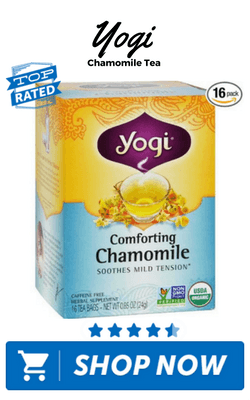
This tea from Yogi is my favorite out there. It’s a gentle chamomile tea for adults, and for older children if your pediatrician agrees.
It’s naturally caffeine-free, which makes it a great bedtime drink.
This tea has a lovely flavor to it. It’s full and bold enough to taste delicious, but not overly rich.
This product offers 16 teabags. It’s easy to take to use at work, or on the go.
Teabags make things a lot easier. Yogi make sure you get all the flavor of loose leaf tea without the hassle of preparing it.
It’s labeled organic and non-GMO.
Pros & Cons
For me, this is the ultimate chamomile tea in the form of teabags. If you’re after an easy way to get your herbal fix, this it!
This tea is naturally caffeine-free, so can be drunk at any time of day.
Plain chamomile is likely safe for adults in the amounts found in tea, according to the NCCIH, but natural doesn’t mean safe for babies. It may also interact with warfarin and possibly birth control pills.
Many adults find it a helpful tea for soothing the stomach.
Don’t use it in place of medical care for a child who is sick, feverish or crying inconsolably. Call your pediatrician instead.
I’ve not found any cons yet, I just love it too much. Flavors are very subjective, however, so the only downside I can think of is that this particular tea might not be to your taste.
Final Thoughts
Yogi Chamomile is a pleasant, caffeine-free tea for grown-ups. For infants, stick with breast milk or formula and ask your pediatrician before offering any tea.
If colic or sleep problems are wearing you down, your pediatrician can help.
Pain Relief Tea For Menstrual Cramps
Ladies, let’s be honest – periods can be a total nightmare.
I had a lucky run where mine were easy-breezy, but they seem to have gotten worse with age.
I’ve had to take days off work, some days I can’t move without being in pain and I just seem to walk around crying over nothing.
Turns out, 80% of us suffer from period pain at some point in our lives, and for 5 to 10% of us it’s severe enough to get in the way of our day-to-day lives.
It might sound dramatic to those few of you lucky enough not to have menstrual cramps, but if you’re reading this and nodding your head, I’ve got something that might really help.
I’ve found a tea for menstrual cramps that I like. Good research on herbal teas for cramps is limited, but warm drinks are one of the comfort measures MedlinePlus suggests.
For me, any hot drink calms me down and soothes my body, and this one tastes delicious.
What Causes Menstrual Cramps
Menstrual cramps are common and can be one of the most annoying parts of getting your period. They’re caused by your uterus, which is a muscle, contracting.
The contracting action is caused by hormone-like substances, known as prostaglandins and it places pressure on nearby blood vessels, briefly cutting off the supply of oxygen to the uterus. It’s the lack of oxygen that results in uncomfortable, and often painful, cramps.
Cramps usually start just before or during your period. Some pain is normal, but a lot of pain is not, and it can be a sign of conditions such as endometriosis or fibroids. Fortunately, there are some things you can do to ease everyday cramps.
Criteria
When buying any kind of tea, it’s important to bear a few things in mind before running wild in your local wholefoods store.
Teabag or loose leaf? Normally I’d go for loose leaf, as I prefer the flavor the untouched leaves tend to give.
When I’m suffering from period pain and have dragged my poor little body from my bed to my kitchen, however, I just need some pain relief as soon as possible.
At this point, I’m probably in a little duvet-burrito, mildly hysterical because I dropped a sock on the floor (or something else inane and non-catastrophic) and need something that I can make fast.
Teabags are a dream in this kind of situation – no faffing with strainers and measurements, just dunk the bag in and enjoy.
If you’re looking for the best tea for menstrual cramps, there are a few ingredients to look out for.
I love herbal teas already, so will never turn down anything that’s got all of nature’s goodness and half the field behind my house crammed into it.
Chamomile is a popular calming ingredient. Raspberry leaf is a traditional ingredient for period comfort, though good research on it is lacking.
Look for something caffeine-free!
Your body is already going through a lot, and caffeine can make some people more jittery. My period makes me clumsy, jittery, super anxious and irritable. Imagine five-coffee-a-day-me on top of that. Yeah, not great.
If these sound like similar symptoms, please do yourself a favor and give up the coffees, or at least cut back. It’s easier than you think, especially since you’re only doing it for a week or so, and for a good cause!
Yogi Teas Woman’s Moon Cycle
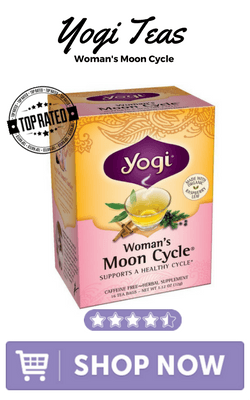
I have long loved Yogi teas, and the fact that they make a tea specifically designed for women and the nightmare that can be our menstrual cycles only makes me love them more.
Teabags are a great option when you’re in a rush or want to take something on the go.
Pop a few teabags in your handbag to take to work and enjoy the speed with which you can make a brew.
Like I said, I love loose leaf teas but sometimes teabags are just more practical.
This tea is packed with flavor, with raspberry leaf offering a lovely fruitiness.
This tea also contains ancient Chinese herbs, which the maker says help with bloating and water retention. Evidence for these claims is limited.
The chamomile calms the mind and relaxes you – just what you need when you’re going through a tough time. This tea is supposedly meant to help with those crazy food cravings, too.
Or is it just me that raids the kitchen every 3 minutes when period pain strikes?
Pros & Cons
I’m all about the pros with this product, so get ready to hear only positive things!
Yogi teas are beautiful and genuinely make me feel so wholesome and taken care of.
Any other herbal tea lovers will understand – there’s something about a hot cup of tea that smells amazing and is full of natural goodness to cheer you up.
Yogi teas are natural and organic, and feel so good for the soul. This tea is caffeine-free, so it’s a nice drink just before bed.
Herbal doesn’t mean you can drink unlimited amounts. Follow the label, and check with your doctor if you’re pregnant, breastfeeding or take medicine.
Traditional Medicinals Healthy Cycle Tea
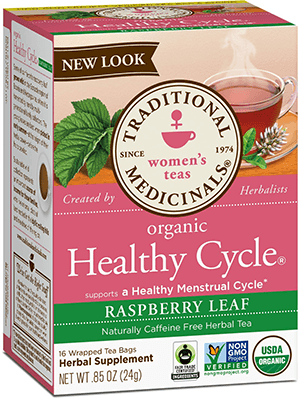
Healthy Cycle Tea by Traditional Medicinals is an organic herbal blend marketed for menstrual comfort. It tastes delicious and can be enjoyed hot or cold.
The tea is naturally caffeine free, so it’s great for relaxing in the evening without disrupting your sleep. If you’re breastfeeding, ask your doctor before using herbal blends.
Earth Mama Angel Baby Organic Monthly Comfort Tea
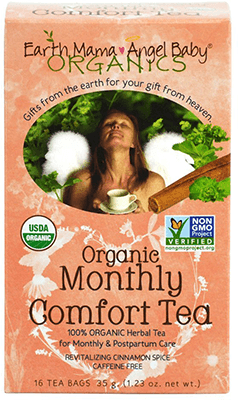
This tea is specifically formulated for use after childbirth as well as to alleviate the pain associated with menstrual cramps.
The organic ingredients include cinnamon, lemon balm and ginger root, which the maker includes for postpartum and monthly comfort.
It’s easy to make, simply steep a tea bag in boiling water for 5-10 minutes, allowing to cool before drinking.
Follow the label for how many cups to drink each day.
Other Remedies To Reduce Menstrual Pain
Take A Bath
Warm baths and showers are on MedlinePlus’s list of home remedies. Take the weight off your feet and let the heat soothe the pain.
Hot Water Bottle
If you haven’t got a bath, a hot water bottle or heating pad on your lower belly can help. Never fall asleep with a heating pad on.
Wear Loose Clothing
Don’t put unnecessary pressure on your abdomen with tight clothes.
Drink Water
Staying hydrated is always a good idea, and warm drinks can be soothing.
Try an Over-the-Counter Pain Reliever
MedlinePlus suggests anti-inflammatory medicines such as ibuprofen or naproxen, starting the day before your period and continuing for the first few days. Check with your doctor first if you have stomach, kidney or bleeding problems.
Get A Good Night Sleep
Your body can’t be expected to deal well with your menstrual cycle if it isn’t well-rested.
Do Some Mild Exercise
I know you don’t feel like it, but walking and regular aerobic exercise can help ease cramps.
Try Essential Oils
Some people find lavender, clary sage or marjoram oil helpful in a massage, though evidence is limited. Always dilute essential oils and never swallow them.
Final Thoughts
If you’re looking for relief from period pains and general grouchiness, a warm herbal tea is a comforting part of a cramp-care routine.
This tea is delicious and caffeine-free. See a provider if your pain is severe, isn’t helped after 3 months of home treatment, or comes with fever or unusual discharge.
I’ll probably still eat my weight in chocolate, but hey. Every little helps…
BestTea For Congestion:Clear Your Throat & Nose
Colds are one of the worst things that can strike – mainly because they strike so often!
Nobody really sympathizes with you when you have a cold, but everyone expects lots of TLC when they’re sniffly, red-nosed and groggy.
No one can escape the common cold. It’s estimated that Americans have a massive 1 billion colds a year.
The CDC says adults average two to three colds a year, and children often have more. There’s no cure, but some things can make you more comfortable.
I’ve found a tea for congestion I like, and I want to share it with you, along with some general tips to help you foray out on your own, albeit wrapped in ten jumpers and sneezing like crazy.
Criteria
On the hunt for a tea to relieve those stuffed sinuses? Here a few things to take into account…
Get something caffeine-free. I know, I know. Your energy levels are at an all-time low.
Caffeine can disrupt the sleep you need to recover, and a caffeine-free drink gives you some late-night comfort if you need it.
Some key ingredients to look out for include, as always, chamomile. I love chamomile so much; it literally makes everything better.
Chamomile is often used in cold-season teas because it’s calming.
Lemongrass, or lemon itself, adds a bright flavor that many people find soothing, though it won’t clear your sinuses on its own.
Licorice and fennel are common in cold-season teas. They have a pretty strong flavor, so make sure you like it before you bulk-buy!
Be careful with licorice root. According to the NCCIH, its glycyrrhizin can cause serious effects such as an irregular heartbeat, especially in large amounts or with long-term use. Skip it if you have high blood pressure or heart disease, or are pregnant.
Teabags or loose leaf?
Loose leaf tea is one of my favorite little luxuries in life, but isn’t the most practical thing when you’re dazed, bumbling around the kitchen and unable to fully open your eyes. Stick to teabags for situations like these – much easier; much quicker.
Sinus Soother
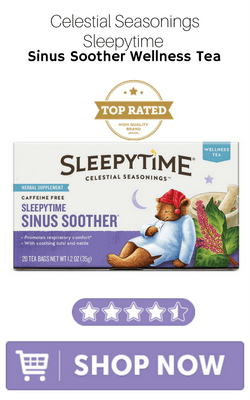
This Sinus Soother tea is one of my go-tos. It’s caffeine-free, so it can be drunk at any time of day.
It’s marketed to soothe your sinuses, and breathing in the steam from any hot drink can feel good when you’re stuffy.
This tea is also gluten-free, so is suitable for pretty much anyone!
Sinus Soother tea contains chamomile, a calming herb.
It also contains nettle, which is much nicer than it sounds.
Lemongrass offers that lovely taste that we all associate with cold and flu comfort.
If you prefer natural comfort measures, it’s a good tea for congestion to keep in the cupboard.
Pros & Cons
Many people find this tea actually works as a comfort measure, even though it won’t cure a cold.
It’s caffeine-free so can be drunk at any time of day, or help you settle in for a good night’s sleep.
This tea is also reasonably priced, so it’s easy to try.
I personally love the flavors they’ve added to this tea, but our taste buds are all different and it might not be delicious to everyone. This is the only ‘con’ I can think of, as we all like different things.
It’s worth a try if you like herbal flavors.
Final Thoughts
We all know hot drinks help us feel better when we’re bunged up and full of cold or the flu.
A tea like this won’t shorten a cold, but it can make you more comfortable while you recover.
See a doctor if you have trouble breathing, a high fever, or symptoms that last more than 10 days or get worse.
Now, get out of your den of tissues and discarded candy wrappers and make yourself a cup!
Sources
- St. John’s Wort: Usefulness and Safety, National Center for Complementary and Integrative Health (NIH)
- "Detoxes" and "Cleanses": What You Need To Know, National Center for Complementary and Integrative Health (NIH)
- Senna, MedlinePlus
- Recommended Drinks for Children Age 5 & Younger, American Academy of Pediatrics (HealthyChildren.org)